Is Dental Anesthesia Safe? What Patients Should Know
A numb lip, a racing mind, and a dental appointment can make even a routine filling feel intimidating. So, is dental anesthesia safe? For most patients, yes. When the right anesthetic or sedation option is selected after a careful health review and administered by trained dental professionals, it has an excellent safety record. The key is not treating anesthesia as a one-size-fits-all step. Your age, medical history, medications, procedure, and anxiety level all matter.
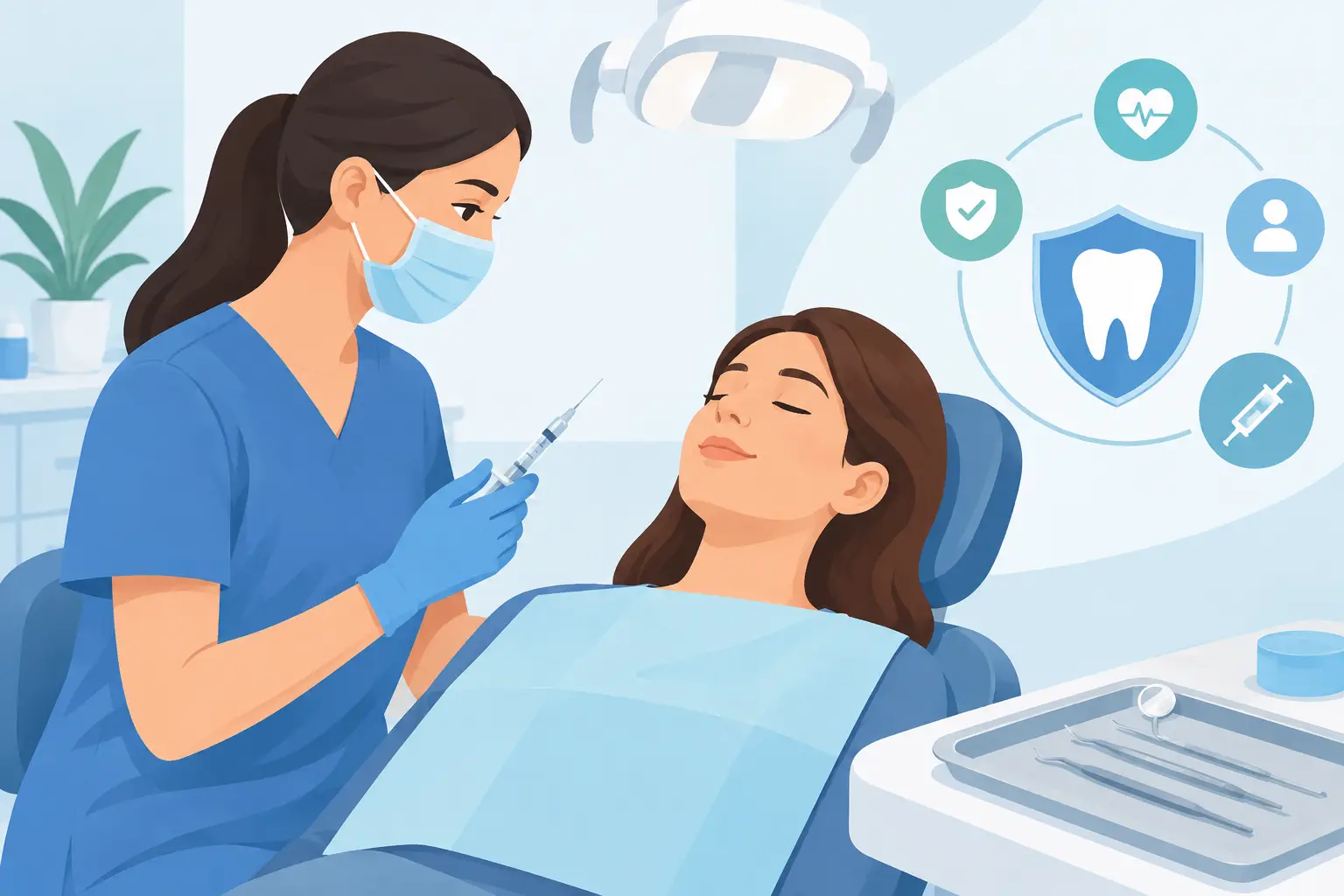
Dental anesthesia is used every day to make treatment comfortable, from small fillings and deep cleanings to root canals, implants, and surgical extractions. It allows your dentist to work precisely while helping you stay calm and pain-free. Understanding what is being used, why it is recommended, and what to tell your dental team can replace uncertainty with confidence.
Is dental anesthesia safe for most patients?
Dental anesthesia is generally very safe when it is planned and monitored appropriately. Serious complications are uncommon, especially with local anesthesia, the numbing medicine injected near the treatment area. Dentists use calculated doses based on the procedure and the patient, and they are trained to recognize and manage unexpected reactions.
Safety does not mean zero risk. As with any medication, side effects and complications can occur. A temporary fast heartbeat, shaking, lightheadedness, numbness that lasts longer than expected, or mild soreness at the injection site may happen. These effects are usually short-lived and do not mean something has gone wrong.
The safest approach starts before treatment begins. Your dentist should ask about your overall health, current medications, allergies, previous anesthesia experiences, pregnancy, and any concerns about anxiety or pain. This conversation is not a formality. It helps your care team choose the safest, most comfortable plan for you.
The main types of dental anesthesia
The word anesthesia can describe several different approaches. The option your dentist recommends depends on how extensive the treatment is and how comfortable you feel during dental care.
Local anesthesia
Local anesthesia numbs one specific area of the mouth while you remain awake. It is the most common option for fillings, crowns, root canal treatment, extractions, and many gum procedures. You may feel pressure or movement during treatment, but you should not feel sharp pain.
Most local anesthetics contain a medication that blocks pain signals and may include epinephrine, a small amount of a medicine that helps the numbing effect last longer and reduces bleeding. Some patients notice a brief fluttery feeling or increased heart rate after an injection containing epinephrine. This is often temporary, but people with certain heart conditions, uncontrolled high blood pressure, or specific medication needs may require an adjusted formula or dose.
Nitrous oxide and other sedation options
Nitrous oxide, often called laughing gas, is inhaled through a small mask. It can reduce anxiety and help patients feel relaxed while remaining responsive. Its effects wear off quickly once the mask is removed, which makes it a useful option for many nervous patients and some children.
Oral sedation and IV sedation may be considered for more complex procedures, strong dental anxiety, or patients who have difficulty staying comfortable in the chair. These options can be highly effective, but they need more planning. Your dentist will review whether you need to avoid food or drink beforehand, arrange an adult to take you home, or adjust medications on the day of care.
Deeper sedation is not automatically better. For a simple procedure, local anesthesia alone may be the safest and most practical choice. For a lengthy implant procedure or a patient with severe anxiety, adding sedation may create a better experience. The right level is the one that supports your comfort without adding unnecessary medication.
Who needs extra precautions?
Most people can receive dental anesthesia safely, but some situations deserve closer attention. Let your dentist know if you have heart disease, high blood pressure, diabetes, asthma, sleep apnea, liver or kidney disease, thyroid conditions, or a history of seizures. These conditions do not necessarily prevent treatment. They may simply affect the anesthetic, dose, monitoring, or timing your dentist chooses.
Medication information matters just as much. Bring a current list that includes prescriptions, over-the-counter medicines, vitamins, and herbal supplements. Blood thinners, certain antidepressants, stimulants, diabetes medications, and medications used for heart conditions can influence treatment planning.
Pregnant patients should also tell their dental team as early as possible. Necessary dental care should not be ignored because of pregnancy, particularly when there is pain, infection, or swelling. Your dentist can select options and schedule treatment with pregnancy considerations in mind, often in coordination with your physician when needed.
Children require individualized dosing based on their weight, age, and treatment needs. A calm, child-friendly environment and clear communication can reduce the amount of sedation needed. Parents should share any history of snoring, sleep apnea, developmental concerns, medication use, or past reactions to anesthesia before the appointment.
Allergies, side effects, and reactions: know the difference
Many people say they are allergic to dental anesthesia when they have actually experienced a side effect, anxiety response, or reaction to epinephrine. Feeling shaky, sweaty, or briefly aware of a faster heartbeat is uncomfortable, but it is not usually a true allergy.
A genuine allergic reaction can include hives, swelling, wheezing, trouble breathing, or a sudden drop in blood pressure. True allergy to modern local anesthetics is rare, but any suspected reaction should be taken seriously. Tell your dentist exactly what happened, when it happened, and whether you needed medical treatment. The details help determine whether the reaction was caused by the anesthetic itself, an additive, latex, or something else used during the visit.
If you have had a difficult experience in the past, do not assume you must avoid dental treatment. Your dentist may be able to use a different medication, a preservative-free option, additional monitoring, or a more gradual approach to injections.
What makes dental anesthesia safer?
Safe anesthesia is built on preparation, technique, and communication. A careful examination and updated health history allow your dentist to identify risks before treatment starts. X-rays and diagnostic planning also help the team anticipate the complexity and duration of the procedure.
During treatment, your dentist should check that the area is fully numb before beginning. If you feel pain, raise your hand or use the agreed signal right away. Trying to push through discomfort is unnecessary, and telling your dentist promptly allows them to adjust the anesthetic.
After treatment, follow the instructions you are given. Avoid chewing until numbness wears off so you do not bite your cheek, tongue, or lip. This is especially important for children. If you received oral or IV sedation, do not drive, return to work, sign important documents, drink alcohol, or make major decisions until the medication has fully cleared and you have been cleared to resume normal activity.
Contact your dental office if numbness persists far beyond the timeframe you were given, swelling worsens, you develop a rash, have difficulty breathing, or feel unwell after leaving the clinic. Trouble breathing, facial swelling, or signs of a severe allergic reaction require urgent emergency care.
Questions worth asking before your appointment
You deserve to understand your comfort plan. Ask what type of anesthesia is recommended, how long numbness or sedation may last, whether you need to fast beforehand, and whether you will need someone to drive you home. If you have a medical condition or take regular medication, ask whether any changes are needed before treatment.
It is also reasonable to tell your dentist what makes you anxious. Some patients prefer to know each step before it happens; others prefer fewer details, headphones, breaks during treatment, or sedation support. A personalized approach can make a major difference, particularly if a past dental visit left you worried about pain or loss of control.
At Bright Smile Medical Center, patient comfort begins with listening. A thoughtful consultation gives your dental team the information needed to plan treatment around your health, your procedure, and your peace of mind. The best next step is simple: share your concerns openly before treatment, so your care can feel as calm and comfortable as your smile deserves.
Need Help?
Schedule your initial consultation today and start your journey towards a pain-free, healthier smile. Contact us now!
(function() {
// Global page view and session tracking for UAEL Modal Popup feature
try {
// Session tracking: increment if this is a new session
// Check if any popup on this page uses current page tracking
var hasCurrentPageTracking = false;
var currentPagePopups = [];
// Check all modal popups on this page for current page tracking
if (typeof jQuery !== 'undefined') {
jQuery('.uael-modal-parent-wrapper').each(function() {
var scope = jQuery(this).data('page-views-scope');
var enabled = jQuery(this).data('page-views-enabled');
var popupId = jQuery(this).attr('id').replace('-overlay', '');
if (enabled === 'yes' && scope === 'current') {
hasCurrentPageTracking = true;
currentPagePopups.push(popupId);
}
});
}
// Global tracking: ALWAYS increment if ANY popup on the site uses global tracking
// Current page tracking: increment per-page counters
if (hasCurrentPageTracking && currentPagePopups.length > 0) {
var currentUrl = window.location.href;
var urlKey = 'uael_page_views_' + btoa(currentUrl).replace(/[^a-zA-Z0-9]/g, '').substring(0, 50);
var currentPageViews = parseInt(localStorage.getItem(urlKey) || '0');
currentPageViews++;
localStorage.setItem(urlKey, currentPageViews.toString());
// Store URL mapping for each popup
for (var i = 0; i < currentPagePopups.length; i++) {
var popupUrlKey = 'uael_popup_' + currentPagePopups[i] + '_url_key';
localStorage.setItem(popupUrlKey, urlKey);
}
}
} catch (e) {
// Silently fail if localStorage is not available
}
})();
var uael_particles_script = {"uael_particles_url":"https://brightsmileshj.com/wp-content/plugins/ultimate-elementor/assets/min-js/uael-particles.min.js","particles_url":"https://brightsmileshj.com/wp-content/plugins/ultimate-elementor/assets/lib/particles/particles.min.js","snowflakes_image":"https://brightsmileshj.com/wp-content/plugins/ultimate-elementor/assets/img/snowflake.svg","gift":"https://brightsmileshj.com/wp-content/plugins/ultimate-elementor/assets/img/gift.png","tree":"https://brightsmileshj.com/wp-content/plugins/ultimate-elementor/assets/img/tree.png","skull":"https://brightsmileshj.com/wp-content/plugins/ultimate-elementor/assets/img/skull.png","ghost":"https://brightsmileshj.com/wp-content/plugins/ultimate-elementor/assets/img/ghost.png","moon":"https://brightsmileshj.com/wp-content/plugins/ultimate-elementor/assets/img/moon.png","bat":"https://brightsmileshj.com/wp-content/plugins/ultimate-elementor/assets/img/bat.png","pumpkin":"https://brightsmileshj.com/wp-content/plugins/ultimate-elementor/assets/img/pumpkin.png"};
var EAELImageMaskingConfig = {"svg_dir_url":"https://brightsmileshj.com/wp-content/plugins/essential-addons-for-elementor-lite/assets/front-end/img/image-masking/svg-shapes/"};
//# sourceURL=elementor-frontend-js-extra
var elementorFrontendConfig = {"environmentMode":{"edit":false,"wpPreview":false,"isScriptDebug":false},"i18n":{"shareOnFacebook":"Share on Facebook","shareOnTwitter":"Share on Twitter","pinIt":"Pin it","download":"Download","downloadImage":"Download image","fullscreen":"Fullscreen","zoom":"Zoom","share":"Share","playVideo":"Play Video","previous":"Previous","next":"Next","close":"Close","a11yCarouselPrevSlideMessage":"Previous slide","a11yCarouselNextSlideMessage":"Next slide","a11yCarouselFirstSlideMessage":"This is the first slide","a11yCarouselLastSlideMessage":"This is the last slide","a11yCarouselPaginationBulletMessage":"Go to slide"},"is_rtl":false,"breakpoints":{"xs":0,"sm":480,"md":768,"lg":1025,"xl":1440,"xxl":1600},"responsive":{"breakpoints":{"mobile":{"label":"Mobile Portrait","value":767,"default_value":767,"direction":"max","is_enabled":true},"mobile_extra":{"label":"Mobile Landscape","value":880,"default_value":880,"direction":"max","is_enabled":false},"tablet":{"label":"Tablet Portrait","value":1024,"default_value":1024,"direction":"max","is_enabled":true},"tablet_extra":{"label":"Tablet Landscape","value":1200,"default_value":1200,"direction":"max","is_enabled":false},"laptop":{"label":"Laptop","value":1366,"default_value":1366,"direction":"max","is_enabled":false},"widescreen":{"label":"Widescreen","value":2400,"default_value":2400,"direction":"min","is_enabled":false}},"hasCustomBreakpoints":false},"version":"4.1.1","is_static":false,"experimentalFeatures":{"e_font_icon_svg":true,"additional_custom_breakpoints":true,"container":true,"theme_builder_v2":true,"hello-theme-header-footer":true,"nested-elements":true,"global_classes_should_enforce_capabilities":true,"e_variables":true,"e_opt_in_v4_page":true,"e_components":true,"e_interactions":true,"e_widget_creation":true,"import-export-customization":true,"e_pro_variables":true},"urls":{"assets":"https:\/\/brightsmileshj.com\/wp-content\/plugins\/elementor\/assets\/","ajaxurl":"https:\/\/brightsmileshj.com\/wp-admin\/admin-ajax.php","uploadUrl":"https:\/\/brightsmileshj.com\/wp-content\/uploads"},"nonces":{"floatingButtonsClickTracking":"0ce506dcd5","atomicFormsSendForm":"e216aded09"},"swiperClass":"swiper","settings":{"page":[],"editorPreferences":[]},"kit":{"active_breakpoints":["viewport_mobile","viewport_tablet"],"global_image_lightbox":"yes","lightbox_enable_counter":"yes","lightbox_enable_fullscreen":"yes","lightbox_enable_zoom":"yes","lightbox_enable_share":"yes","lightbox_title_src":"title","lightbox_description_src":"description"},"post":{"id":2535,"title":"Is%20Dental%20Anesthesia%20Safe%3F%20What%20Patients%20Should%20Know%20-%20Bright%20Smile%20Medical%20Center%20%7C%20Dental%20Clinic%20In%20Sharjah","excerpt":"Is dental anesthesia safe? Learn how local anesthetic, sedation, screening, and aftercare help make dental treatment comfortable and safe for most patients.","featuredImage":"https:\/\/brightsmileshj.com\/wp-content\/uploads\/2026\/10\/is-dental-anesthesia-safe-what-patients-should-kno-featured-1024x683.webp"}};
//# sourceURL=elementor-frontend-js-before