A missing tooth changes more than your smile. It can affect how you chew, how clearly you speak, and how confident you feel in everyday moments. Dental implants are one of the most reliable ways to replace missing teeth because they are designed to restore both appearance and function with long-term stability.
For many patients, the biggest question is not whether implants work. It is whether they are the right choice for their situation. That depends on your oral health, bone support, medical history, and goals. Some people want to replace a single tooth that has been lost to injury or decay. Others are looking for a more secure alternative to a loose denture. The treatment can be life-changing, but the best results come from careful planning.
What are dental implants?
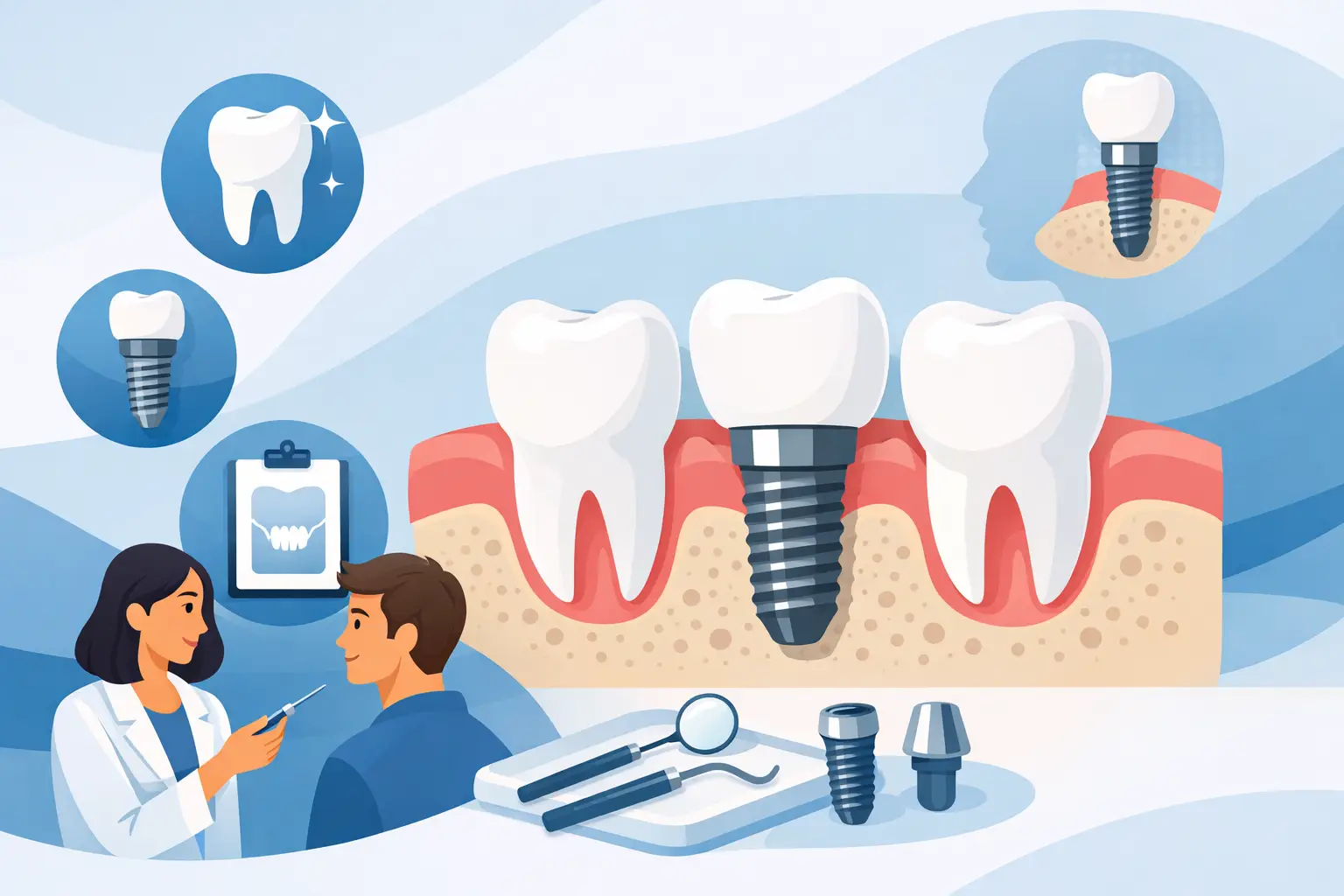
Dental implants are small titanium posts placed in the jawbone to act like artificial tooth roots. Once the implant integrates with the bone, it supports a crown, bridge, or denture. The result is a replacement tooth that feels much more secure than removable options.
This is what makes implants different from a traditional bridge or denture. A bridge usually depends on neighboring teeth for support, which may require reshaping healthy tooth structure. A denture sits on the gums and can move during eating or speaking. An implant is anchored in the jaw, so it is built to stay in place.
That stability matters. Patients often say the biggest benefit is not just how implants look, but how normal they feel after healing is complete.
Why patients choose dental implants
The appeal of dental implants is straightforward. They are made to look natural, function well, and support the long-term health of the mouth. When a tooth is missing, the bone in that area can begin to shrink over time. Because an implant stimulates the jawbone like a natural root, it can help preserve bone better than some other replacement options.
Implants also allow you to bite with more confidence. Many patients find that they can eat a wider range of foods more comfortably compared with removable dentures. Speech can improve too, especially when missing teeth or unstable appliances have been affecting pronunciation.
There is also an emotional side to treatment that should not be overlooked. Replacing a missing tooth can make smiling, talking, and socializing feel easier again. For patients who have been hiding their teeth or avoiding photos, that change can be just as meaningful as the clinical result.
Who is a good candidate for dental implants?
A good candidate usually has healthy gums, adequate jawbone support, and a commitment to oral hygiene. Age alone is not the deciding factor. Many adults are excellent candidates as long as their mouth and general health allow for proper healing.
That said, not every case is immediate or simple. If you have gum disease, untreated decay, or bone loss, those issues may need to be addressed first. Smoking, uncontrolled diabetes, and certain medical conditions can also affect healing and implant success. This does not always rule treatment out, but it can change the timing or the treatment plan.
A proper consultation matters here. Clinical examination, dental imaging, and a full discussion of your medical history help determine whether implants are the best option and whether additional procedures, such as bone grafting, may be needed.
The dental implants process step by step
Implant treatment is not usually completed in one visit, and patients should know that from the start. Good implant dentistry is precise and staged for a reason.
Consultation and planning
The first step is a detailed evaluation. Your dentist assesses the condition of your teeth, gums, bite, and bone levels. Imaging is used to plan the exact implant position. This stage helps avoid surprises later and allows the treatment to be customized to your smile and function.
Tooth removal and site preparation
If a damaged tooth is still present, it may need to be removed. In some cases, an implant can be placed soon after extraction. In others, the area needs time to heal first. If the bone is too thin or soft, grafting may be recommended to create a stronger foundation.
Implant placement
The implant is placed into the jawbone during a minor surgical procedure. Many patients are relieved to learn that this step is often more comfortable than expected, especially with proper anesthesia and supportive aftercare. Mild soreness and swelling can happen for a few days, but discomfort is usually manageable.
Healing and integration
Next comes healing. Over the following weeks or months, the bone fuses with the implant in a process called osseointegration. This is what gives the implant its strength and long-term stability. The exact timeline varies from one patient to another.
Final restoration
Once healing is complete, the implant is fitted with the final restoration, such as a custom crown. The shape, shade, and fit are carefully designed so the new tooth blends naturally with your smile.
How long do dental implants last?
Dental implants can last many years and often much longer when they are well placed and properly maintained. The crown attached to the implant may need replacement earlier than the implant itself because it handles daily biting forces, but the implant post can remain stable for a very long time.
Long-term success depends on a few practical factors. Good brushing and flossing habits matter. Routine dental visits matter. Managing gum health matters. If you clench or grind your teeth, a protective night guard may also be recommended.
Implants are not a shortcut around oral care. They do not decay like natural teeth, but the gums and bone around them still need to stay healthy.
Dental implants vs other tooth replacement options
Implants are often the premium option, but that does not mean they are automatically right for everyone. A bridge may be faster in some cases. A denture may be more affordable upfront when several teeth are missing. The right choice depends on your anatomy, budget, timeline, and expectations.
If you want the most natural feel and the best chance of preserving bone in the missing tooth area, implants are often the strongest option. If you are looking for the quickest short-term solution, another treatment may be discussed first. The best dental advice is rarely one-size-fits-all.
Common concerns about dental implants
One common concern is pain. Most patients describe the process as easier than they expected. Careful planning, modern techniques, and clear aftercare instructions make a real difference.
Another concern is treatment time. Yes, implants can take several months from start to finish, especially if grafting or healing time is required. But that longer timeline supports a better foundation and a more predictable result.
Cost is also a real consideration. Implants often cost more initially than bridges or dentures, but they can offer better stability and longevity over time. For many patients, the value comes from comfort, function, and confidence in daily life.
Choosing the right provider for dental implants
Implant treatment is part surgery, part restoration, and fully dependent on planning. Experience matters. Technology matters. So does the way a clinic supports you before, during, and after treatment.
Patients often feel more confident when they choose a clinic that combines advanced imaging, specialist-led care, and a calm, comfortable environment. At Bright Smile Medical Center, that patient-focused approach is central to how treatment is planned and delivered, especially for those who feel anxious about dental procedures.
If you are thinking about dental implants, the most useful next step is a proper consultation, not guesswork. A good assessment can tell you whether implants are suitable now, what the timeline may look like, and how to achieve a result that feels secure, natural, and worth the investment in your smile.
Need Help?
Schedule your initial consultation today and start your journey towards a pain-free, healthier smile. Contact us now!
(function() {
// Global page view and session tracking for UAEL Modal Popup feature
try {
// Session tracking: increment if this is a new session
// Check if any popup on this page uses current page tracking
var hasCurrentPageTracking = false;
var currentPagePopups = [];
// Check all modal popups on this page for current page tracking
if (typeof jQuery !== 'undefined') {
jQuery('.uael-modal-parent-wrapper').each(function() {
var scope = jQuery(this).data('page-views-scope');
var enabled = jQuery(this).data('page-views-enabled');
var popupId = jQuery(this).attr('id').replace('-overlay', '');
if (enabled === 'yes' && scope === 'current') {
hasCurrentPageTracking = true;
currentPagePopups.push(popupId);
}
});
}
// Global tracking: ALWAYS increment if ANY popup on the site uses global tracking
// Current page tracking: increment per-page counters
if (hasCurrentPageTracking && currentPagePopups.length > 0) {
var currentUrl = window.location.href;
var urlKey = 'uael_page_views_' + btoa(currentUrl).replace(/[^a-zA-Z0-9]/g, '').substring(0, 50);
var currentPageViews = parseInt(localStorage.getItem(urlKey) || '0');
currentPageViews++;
localStorage.setItem(urlKey, currentPageViews.toString());
// Store URL mapping for each popup
for (var i = 0; i < currentPagePopups.length; i++) {
var popupUrlKey = 'uael_popup_' + currentPagePopups[i] + '_url_key';
localStorage.setItem(popupUrlKey, urlKey);
}
}
} catch (e) {
// Silently fail if localStorage is not available
}
})();
var uael_particles_script = {"uael_particles_url":"https://brightsmileshj.com/wp-content/plugins/ultimate-elementor/assets/min-js/uael-particles.min.js","particles_url":"https://brightsmileshj.com/wp-content/plugins/ultimate-elementor/assets/lib/particles/particles.min.js","snowflakes_image":"https://brightsmileshj.com/wp-content/plugins/ultimate-elementor/assets/img/snowflake.svg","gift":"https://brightsmileshj.com/wp-content/plugins/ultimate-elementor/assets/img/gift.png","tree":"https://brightsmileshj.com/wp-content/plugins/ultimate-elementor/assets/img/tree.png","skull":"https://brightsmileshj.com/wp-content/plugins/ultimate-elementor/assets/img/skull.png","ghost":"https://brightsmileshj.com/wp-content/plugins/ultimate-elementor/assets/img/ghost.png","moon":"https://brightsmileshj.com/wp-content/plugins/ultimate-elementor/assets/img/moon.png","bat":"https://brightsmileshj.com/wp-content/plugins/ultimate-elementor/assets/img/bat.png","pumpkin":"https://brightsmileshj.com/wp-content/plugins/ultimate-elementor/assets/img/pumpkin.png"};
var EAELImageMaskingConfig = {"svg_dir_url":"https://brightsmileshj.com/wp-content/plugins/essential-addons-for-elementor-lite/assets/front-end/img/image-masking/svg-shapes/"};
//# sourceURL=elementor-frontend-js-extra
var elementorFrontendConfig = {"environmentMode":{"edit":false,"wpPreview":false,"isScriptDebug":false},"i18n":{"shareOnFacebook":"Share on Facebook","shareOnTwitter":"Share on Twitter","pinIt":"Pin it","download":"Download","downloadImage":"Download image","fullscreen":"Fullscreen","zoom":"Zoom","share":"Share","playVideo":"Play Video","previous":"Previous","next":"Next","close":"Close","a11yCarouselPrevSlideMessage":"Previous slide","a11yCarouselNextSlideMessage":"Next slide","a11yCarouselFirstSlideMessage":"This is the first slide","a11yCarouselLastSlideMessage":"This is the last slide","a11yCarouselPaginationBulletMessage":"Go to slide"},"is_rtl":false,"breakpoints":{"xs":0,"sm":480,"md":768,"lg":1025,"xl":1440,"xxl":1600},"responsive":{"breakpoints":{"mobile":{"label":"Mobile Portrait","value":767,"default_value":767,"direction":"max","is_enabled":true},"mobile_extra":{"label":"Mobile Landscape","value":880,"default_value":880,"direction":"max","is_enabled":false},"tablet":{"label":"Tablet Portrait","value":1024,"default_value":1024,"direction":"max","is_enabled":true},"tablet_extra":{"label":"Tablet Landscape","value":1200,"default_value":1200,"direction":"max","is_enabled":false},"laptop":{"label":"Laptop","value":1366,"default_value":1366,"direction":"max","is_enabled":false},"widescreen":{"label":"Widescreen","value":2400,"default_value":2400,"direction":"min","is_enabled":false}},"hasCustomBreakpoints":false},"version":"4.1.1","is_static":false,"experimentalFeatures":{"e_font_icon_svg":true,"additional_custom_breakpoints":true,"container":true,"theme_builder_v2":true,"hello-theme-header-footer":true,"nested-elements":true,"global_classes_should_enforce_capabilities":true,"e_variables":true,"e_opt_in_v4_page":true,"e_components":true,"e_interactions":true,"e_widget_creation":true,"import-export-customization":true,"e_pro_variables":true},"urls":{"assets":"https:\/\/brightsmileshj.com\/wp-content\/plugins\/elementor\/assets\/","ajaxurl":"https:\/\/brightsmileshj.com\/wp-admin\/admin-ajax.php","uploadUrl":"https:\/\/brightsmileshj.com\/wp-content\/uploads"},"nonces":{"floatingButtonsClickTracking":"0ce506dcd5","atomicFormsSendForm":"e216aded09"},"swiperClass":"swiper","settings":{"page":[],"editorPreferences":[]},"kit":{"active_breakpoints":["viewport_mobile","viewport_tablet"],"global_image_lightbox":"yes","lightbox_enable_counter":"yes","lightbox_enable_fullscreen":"yes","lightbox_enable_zoom":"yes","lightbox_enable_share":"yes","lightbox_title_src":"title","lightbox_description_src":"description"},"post":{"id":1925,"title":"Dental%20Implants%3A%20What%20Patients%20Should%20Know%20-%20Bright%20Smile%20Medical%20Center%20%7C%20Dental%20Clinic%20In%20Sharjah","excerpt":"Dental implants replace missing teeth with stability, comfort, and a natural look. Learn who qualifies, what to expect, and how long they last.","featuredImage":"https:\/\/brightsmileshj.com\/wp-content\/uploads\/2026\/06\/dental-implants-what-patients-should-know-featured-1024x683.webp"}};
//# sourceURL=elementor-frontend-js-before