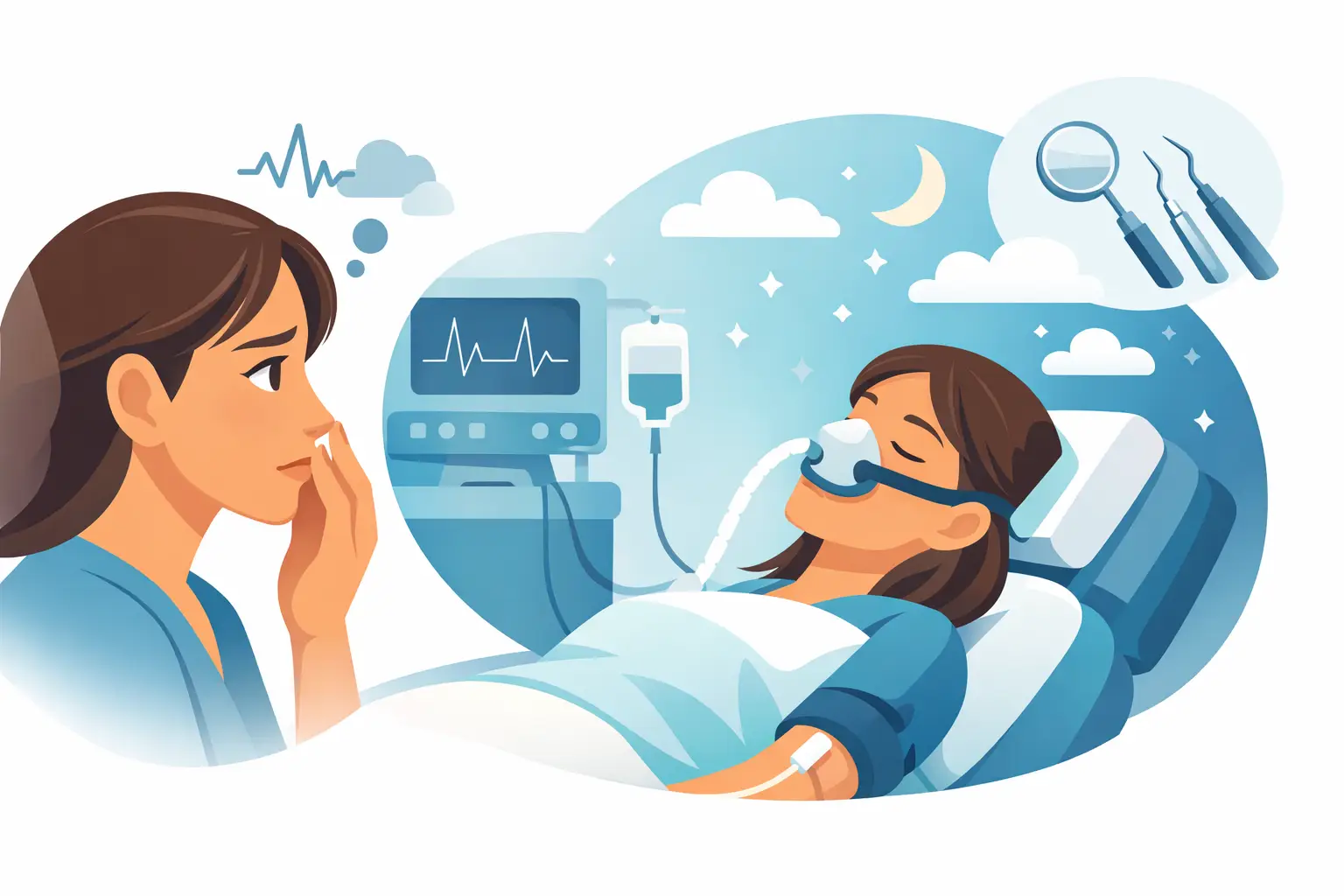
A lot of people can handle a busy workweek, family schedules, and even minor pain – but the moment they hear a dental drill, their whole body tenses. If that sounds familiar, sedation dentistry for anxious patients may be the reason dental care finally feels manageable instead of overwhelming.
Dental anxiety is more common than many people realize. For some, it shows up as trouble sleeping before an appointment or a racing heart in the waiting room. For others, it is strong enough to delay cleanings, fillings, or even treatment for active pain. That delay often turns a small issue into a larger one, which can mean more time in the chair, more cost, and more stress.
Why dental anxiety should be taken seriously
Fear of dental treatment is not simply about being nervous. It can be tied to a past painful experience, sensitivity to sound or touch, embarrassment about the condition of the teeth, or a strong gag reflex. Some patients feel anxious because they do not like feeling out of control. Parents may see the same pattern in children who become distressed before a routine exam.
When anxiety keeps someone from getting care, oral health usually declines gradually and then all at once. A cavity that could have been treated early may reach the nerve. Gum inflammation can progress into deeper problems. Cosmetic concerns can also grow more noticeable, which may affect confidence in social and professional settings.
That is why comfort-focused care matters. The right setting, clear communication, and the right sedation option can help patients move forward without feeling forced or rushed.
What sedation dentistry for anxious patients actually means
Sedation dentistry for anxious patients uses medication to help people feel calmer and more comfortable during dental treatment. It does not always mean being fully asleep. In fact, many patients are awake and able to respond during the procedure, but they feel deeply relaxed and much less aware of the sounds, sensations, or time passing.
This distinction matters because patients often assume sedation is only for major surgery. In reality, it can be helpful for a wide range of care, from longer restorative visits to treatments that a nervous patient has been postponing for months or years.
The best choice depends on the procedure, the patient’s medical history, and the level of anxiety involved. A person who feels mildly nervous before a cleaning may need a very different approach than someone who avoids treatment altogether.
Common sedation options in dentistry
Nitrous oxide
Nitrous oxide, often called laughing gas, is one of the mildest and most familiar sedation options. It is inhaled through a small mask and helps patients feel calmer within minutes. Many people describe the effect as light, floaty, or simply less tense.
One reason nitrous oxide is so popular is that it wears off quickly. Patients can usually return to normal activities soon after the appointment, depending on the dentist’s instructions. It is often a practical option for shorter procedures and for patients who want help relaxing without lingering drowsiness.
Oral sedation
Oral sedation involves taking prescribed medication before the appointment. This creates a deeper level of relaxation than nitrous oxide for many patients. You are generally still awake, but you may feel sleepy, less alert, and less focused on the procedure.
This option can work well for moderate to severe anxiety, but it comes with more planning. Patients usually need someone to drive them to and from the appointment. Recovery can also take longer, so it is not always the best fit for someone trying to fit treatment into a busy workday.
IV sedation
IV sedation is administered through a vein and allows the dental team to carefully control the level of sedation throughout treatment. It is commonly used for patients with significant anxiety, complex procedures, or situations where multiple treatments are being completed in fewer visits.
This is a more involved option, and not every patient needs it. But for the right case, it can make extensive dental care feel much more achievable. It is especially useful when fear has created a cycle of avoidance and worsening oral health.
Who may benefit from sedation dentistry
Sedation is not only for patients with severe fear. It may also help people who have a low pain threshold, difficulty getting numb, a strong gag reflex, sensitive teeth, special healthcare needs, or trouble sitting still for long appointments. Some patients choose it because they need several procedures completed efficiently and want a more comfortable experience.
Children may also benefit in some cases, although the approach should always be carefully matched to their age, health, and treatment needs. For families, it can be reassuring to know that gentle care is not limited to adults.
Still, sedation is not automatically the right answer for everyone. Some patients do very well with extra time, clear step-by-step explanations, topical numbing, breaks during treatment, and a calm clinical environment. Good dentistry starts with listening, not assuming.
Is sedation dentistry safe?
For appropriately selected patients, sedation dentistry is generally very safe when provided by qualified professionals who review medical history carefully and monitor patients properly. Safety starts before the appointment, not during it. That means discussing medications, allergies, medical conditions, pregnancy status when relevant, and any past reactions to anesthesia or sedation.
This is also where trust matters. A responsible dental team will not recommend sedation casually. They will explain why a certain option fits, what the limits are, and what preparation is required. If a patient has a complex medical history, additional precautions may be needed.
The safest approach is always a personalized one. What works beautifully for one patient may not be suitable for another, and that is exactly why a proper consultation matters.
What to expect before, during, and after sedation dentistry for anxious patients
Before treatment, the dentist will typically review your health history, explain the procedure, and talk through the sedation method being considered. This is the time to be honest about your anxiety level. If you usually avoid appointments, panic in the chair, or have had a bad past experience, say so. That information helps shape the right plan.
During treatment, the goal is not just to complete the dental work. The goal is to help you feel settled enough that the appointment does not feel like something to survive. Depending on the type of sedation, you may feel lightly relaxed or very drowsy. Many patients remember little about the procedure afterward, especially with deeper sedation.
After the appointment, recovery depends on the method used. Nitrous oxide tends to wear off quickly, while oral and IV sedation require more downtime. You may need someone to accompany you home, and you should follow all post-appointment instructions carefully.
The real benefit: breaking the cycle of avoidance
The biggest advantage of sedation is not simply comfort during one appointment. It is what that comfort makes possible afterward. Once a patient gets through treatment without panic, shame, or physical tension, future visits often feel less intimidating.
That shift can be life-changing. It can mean catching problems earlier, staying consistent with cleanings, and finally moving ahead with treatment that improves appearance as well as health. For patients who have spent years postponing care, the first calm visit often becomes the turning point.
At Bright Smile Medical Center, that patient-first mindset is central to how care should feel – clinically sound, carefully explained, and genuinely reassuring.
How to know if it is right for you
If you have ever canceled an appointment out of fear, ignored tooth pain because you could not face treatment, or felt embarrassed about how long it has been since your last visit, it is worth asking about sedation. You do not have to wait until anxiety becomes extreme.
A good dental team will help you weigh the trade-offs. Mild sedation may be enough for one patient, while another may need deeper support or a different pace of treatment altogether. The best decision is the one that helps you receive care safely and with confidence.
No one should feel judged for being nervous about dental treatment. The right care approach meets you where you are, reduces stress without minimizing your concerns, and helps you move forward one comfortable visit at a time.