Tooth Sensitivity Causes and When to See a Dentist
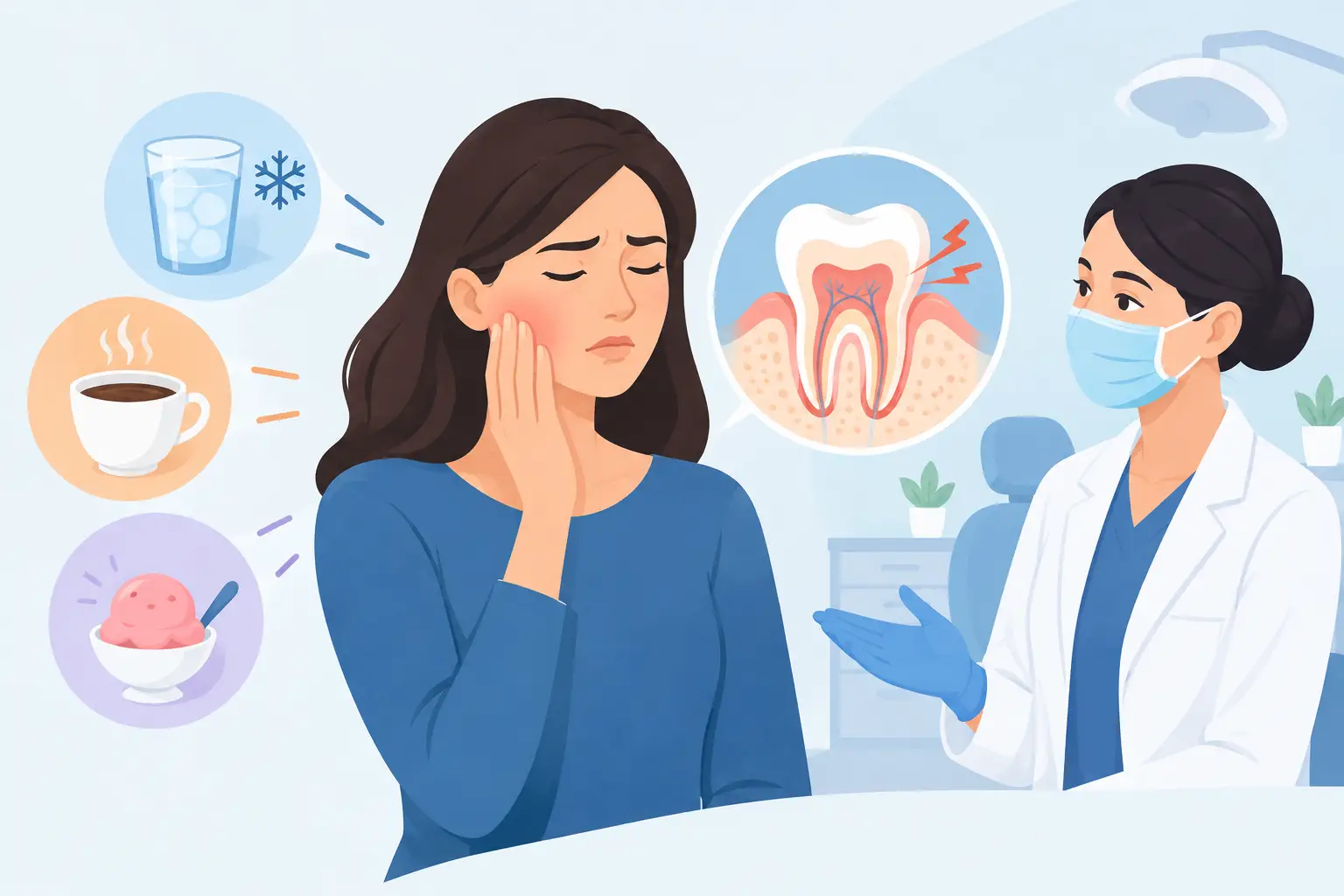
A sip of cold water should feel refreshing, not like a sharp jolt through your tooth. When that sudden pain happens repeatedly, it is easy to blame sensitive teeth and switch toothpaste. But tooth sensitivity causes can range from mild enamel wear to a cavity, cracked tooth, or gum problem that needs professional care. The pattern of your discomfort often provides the first clue.
Sensitivity is common, and it is usually treatable. The right solution depends on why the tooth is reacting, how long the pain lasts, and whether one tooth or several teeth are involved. A careful dental examination can identify the source and help you return to eating, drinking, and smiling comfortably.
Why Teeth Become Sensitive
Under the hard outer enamel of a tooth is dentin, a naturally softer layer with tiny channels leading toward the tooth’s nerve. When enamel becomes thin, a tooth root is exposed, or a restoration no longer seals properly, hot, cold, sweet, acidic, or even cold air can stimulate those channels. This creates the familiar quick, sharp sensation.
The pain may be brief and disappear as soon as the trigger is gone. That often points to exposed dentin. However, lingering, throbbing, or worsening pain can suggest irritation or infection inside the tooth. Sensitivity is a symptom, not a diagnosis, so it deserves attention when it persists.
Common Tooth Sensitivity Causes
Enamel erosion from acids
Frequent exposure to acids can gradually soften and wear down enamel. Citrus fruits, soda, energy drinks, sports drinks, flavored sparkling water, and frequent snacking on acidic foods may all contribute. Acid reflux can also expose teeth to stomach acid, sometimes without obvious heartburn.
This does not mean you must avoid every acidic food or drink. Frequency matters as much as quantity. Sipping an acidic drink over several hours repeatedly exposes the teeth, while having it with a meal is generally less stressful for enamel. Rinsing with plain water afterward is helpful. Avoid brushing immediately after acidic foods or drinks, because softened enamel can be more vulnerable to abrasion. Waiting about 30 minutes is usually a better approach.
Brushing too hard or using the wrong technique
Brushing with excessive pressure, especially with a hard-bristled brush, can wear the enamel near the gumline and irritate the gums. Over time, this may create notches at the base of teeth and expose dentin.
A soft-bristled toothbrush and gentle, small circular motions are usually enough to clean effectively. More pressure does not equal a cleaner mouth. If the bristles spread outward quickly, that can be a sign that you are brushing too aggressively.
Gum recession and gum disease
Healthy gums cover and protect tooth roots. When gums recede, the root surface becomes exposed. Unlike enamel, root surfaces are covered by cementum, which is thinner and wears away more easily. This can make cold foods, brushing, and even a breath of air uncomfortable.
Recession may occur because of gum disease, forceful brushing, tooth grinding, tobacco use, or the natural anatomy and position of the teeth. Redness, swelling, bleeding during brushing, persistent bad breath, or teeth that appear longer than before should be assessed promptly. Treating gum disease early protects more than comfort – it helps preserve the supporting structures that keep teeth stable.
Cavities, worn fillings, and leaking crowns
Decay can create an opening in enamel and dentin, allowing temperature changes and sugars to reach sensitive areas. An older filling, crown, or veneer can also develop a gap at its edge over time. Food and bacteria may enter that space, sometimes causing sensitivity before pain becomes severe.
Sensitivity in one specific tooth, especially when biting or eating sweets, should not be ignored. It may be a small issue that can be managed with a filling or restoration adjustment. Waiting can allow decay or damage to reach the nerve, potentially requiring more extensive treatment such as root canal therapy and a crown.
Cracked or chipped teeth
A crack can be difficult to see and may cause pain that comes and goes. You might notice a sudden sharp sensation when biting down, releasing your bite, or eating something cold. Cracks can develop after biting hard foods, chewing ice, receiving an impact, or years of pressure from grinding.
A cracked tooth does not always cause constant pain, which is why many people put off an appointment. Yet cracks can deepen with continued chewing. Early diagnosis gives your dentist more options to protect the tooth with a restoration before the damage reaches the nerve or extends below the gumline.
Teeth grinding and jaw clenching
Many people clench during focused work, stress, exercise, or sleep without realizing it. The repeated pressure can wear enamel, create tiny cracks, strain the jaw muscles, and make teeth more reactive to temperature.
Morning jaw soreness, frequent headaches, flattened tooth edges, or a partner noticing grinding sounds may point to bruxism. A custom night guard can protect teeth during sleep, while your dentist may also discuss bite-related concerns and practical ways to reduce daytime clenching.
Whitening-related sensitivity
Professional and at-home whitening products can cause temporary sensitivity, particularly when teeth already have worn enamel, recession, or small areas of exposed dentin. This usually improves after treatment is paused or adjusted, but it should not be pushed through if the pain is strong.
A dentist can help determine whether whitening is appropriate and recommend a schedule that protects comfort. For some patients, treating decay, gum concerns, or existing sensitivity first creates a more comfortable and predictable cosmetic result.
What the Type of Pain Can Tell You
Brief sensitivity that stops within seconds after cold or sweet foods often reflects exposed dentin or early enamel wear. It still deserves a dental evaluation if it happens often, but it may respond well to desensitizing toothpaste, fluoride treatment, bonding, or changes in brushing habits.
Pain that lingers for 30 seconds or longer after hot or cold foods can indicate that the nerve inside the tooth is inflamed. Spontaneous pain, swelling, a bad taste near one tooth, facial swelling, fever, or pain that disrupts sleep requires prompt dental care. These signs can be associated with infection and should not be managed by waiting for the discomfort to settle.
Pain while biting may point to a crack, a high filling, decay, or inflammation around the root. Because several conditions can feel similar, dental X-rays and a focused examination are often needed to determine the real cause.
What You Can Do Before Your Appointment
Use a toothpaste formulated for sensitive teeth twice daily and spit after brushing rather than rinsing heavily. This allows the active ingredients to remain on the teeth longer. Choose a soft toothbrush, brush gently at the gumline, and clean between teeth every day without snapping floss into the gums.
Limit frequent acidic drinks and avoid using whitening products if they clearly make the pain worse. If cold drinks trigger sensitivity, using a straw may provide short-term comfort. These steps can reduce symptoms, but they do not repair a cavity, crack, or gum infection.
Avoid placing aspirin or other pain relievers directly on a tooth or gum. This can burn the soft tissues and does not treat the source of the pain. If you have swelling, severe pain, trauma, or a broken tooth, contact a dental office as soon as possible.
How a Dentist Treats Sensitive Teeth
Treatment is tailored to the cause. For early sensitivity, your dentist may recommend fluoride varnish, prescription-strength desensitizing products, or protective bonding over exposed root surfaces. A cavity may need a filling, while a damaged crown or filling may need repair or replacement.
When gum recession is a factor, periodontal care can control inflammation and protect the gums. For extensive wear from grinding, a custom night guard and restorative treatment may be recommended. If the nerve is infected or severely inflamed, root canal treatment can relieve pain while preserving the natural tooth, often followed by a crown for strength.
At Bright Smile Medical Center, the goal is not simply to mask the sensitivity. A thorough assessment helps identify what is happening beneath the surface and create a comfortable, personalized plan for protecting your teeth and confidence.
A sensitive tooth is often your smile’s early warning system. Listening to it now can make treatment simpler, more comfortable, and more protective of the natural teeth you rely on every day.
Need Help?
Schedule your initial consultation today and start your journey towards a pain-free, healthier smile. Contact us now!
(function() {
// Global page view and session tracking for UAEL Modal Popup feature
try {
// Session tracking: increment if this is a new session
// Check if any popup on this page uses current page tracking
var hasCurrentPageTracking = false;
var currentPagePopups = [];
// Check all modal popups on this page for current page tracking
if (typeof jQuery !== 'undefined') {
jQuery('.uael-modal-parent-wrapper').each(function() {
var scope = jQuery(this).data('page-views-scope');
var enabled = jQuery(this).data('page-views-enabled');
var popupId = jQuery(this).attr('id').replace('-overlay', '');
if (enabled === 'yes' && scope === 'current') {
hasCurrentPageTracking = true;
currentPagePopups.push(popupId);
}
});
}
// Global tracking: ALWAYS increment if ANY popup on the site uses global tracking
// Current page tracking: increment per-page counters
if (hasCurrentPageTracking && currentPagePopups.length > 0) {
var currentUrl = window.location.href;
var urlKey = 'uael_page_views_' + btoa(currentUrl).replace(/[^a-zA-Z0-9]/g, '').substring(0, 50);
var currentPageViews = parseInt(localStorage.getItem(urlKey) || '0');
currentPageViews++;
localStorage.setItem(urlKey, currentPageViews.toString());
// Store URL mapping for each popup
for (var i = 0; i < currentPagePopups.length; i++) {
var popupUrlKey = 'uael_popup_' + currentPagePopups[i] + '_url_key';
localStorage.setItem(popupUrlKey, urlKey);
}
}
} catch (e) {
// Silently fail if localStorage is not available
}
})();
var uael_particles_script = {"uael_particles_url":"https://brightsmileshj.com/wp-content/plugins/ultimate-elementor/assets/min-js/uael-particles.min.js","particles_url":"https://brightsmileshj.com/wp-content/plugins/ultimate-elementor/assets/lib/particles/particles.min.js","snowflakes_image":"https://brightsmileshj.com/wp-content/plugins/ultimate-elementor/assets/img/snowflake.svg","gift":"https://brightsmileshj.com/wp-content/plugins/ultimate-elementor/assets/img/gift.png","tree":"https://brightsmileshj.com/wp-content/plugins/ultimate-elementor/assets/img/tree.png","skull":"https://brightsmileshj.com/wp-content/plugins/ultimate-elementor/assets/img/skull.png","ghost":"https://brightsmileshj.com/wp-content/plugins/ultimate-elementor/assets/img/ghost.png","moon":"https://brightsmileshj.com/wp-content/plugins/ultimate-elementor/assets/img/moon.png","bat":"https://brightsmileshj.com/wp-content/plugins/ultimate-elementor/assets/img/bat.png","pumpkin":"https://brightsmileshj.com/wp-content/plugins/ultimate-elementor/assets/img/pumpkin.png"};
var EAELImageMaskingConfig = {"svg_dir_url":"https://brightsmileshj.com/wp-content/plugins/essential-addons-for-elementor-lite/assets/front-end/img/image-masking/svg-shapes/"};
//# sourceURL=elementor-frontend-js-extra
var elementorFrontendConfig = {"environmentMode":{"edit":false,"wpPreview":false,"isScriptDebug":false},"i18n":{"shareOnFacebook":"Share on Facebook","shareOnTwitter":"Share on Twitter","pinIt":"Pin it","download":"Download","downloadImage":"Download image","fullscreen":"Fullscreen","zoom":"Zoom","share":"Share","playVideo":"Play Video","previous":"Previous","next":"Next","close":"Close","a11yCarouselPrevSlideMessage":"Previous slide","a11yCarouselNextSlideMessage":"Next slide","a11yCarouselFirstSlideMessage":"This is the first slide","a11yCarouselLastSlideMessage":"This is the last slide","a11yCarouselPaginationBulletMessage":"Go to slide"},"is_rtl":false,"breakpoints":{"xs":0,"sm":480,"md":768,"lg":1025,"xl":1440,"xxl":1600},"responsive":{"breakpoints":{"mobile":{"label":"Mobile Portrait","value":767,"default_value":767,"direction":"max","is_enabled":true},"mobile_extra":{"label":"Mobile Landscape","value":880,"default_value":880,"direction":"max","is_enabled":false},"tablet":{"label":"Tablet Portrait","value":1024,"default_value":1024,"direction":"max","is_enabled":true},"tablet_extra":{"label":"Tablet Landscape","value":1200,"default_value":1200,"direction":"max","is_enabled":false},"laptop":{"label":"Laptop","value":1366,"default_value":1366,"direction":"max","is_enabled":false},"widescreen":{"label":"Widescreen","value":2400,"default_value":2400,"direction":"min","is_enabled":false}},"hasCustomBreakpoints":false},"version":"4.1.1","is_static":false,"experimentalFeatures":{"e_font_icon_svg":true,"additional_custom_breakpoints":true,"container":true,"theme_builder_v2":true,"hello-theme-header-footer":true,"nested-elements":true,"global_classes_should_enforce_capabilities":true,"e_variables":true,"e_opt_in_v4_page":true,"e_components":true,"e_interactions":true,"e_widget_creation":true,"import-export-customization":true,"e_pro_variables":true},"urls":{"assets":"https:\/\/brightsmileshj.com\/wp-content\/plugins\/elementor\/assets\/","ajaxurl":"https:\/\/brightsmileshj.com\/wp-admin\/admin-ajax.php","uploadUrl":"https:\/\/brightsmileshj.com\/wp-content\/uploads"},"nonces":{"floatingButtonsClickTracking":"5092e13a36","atomicFormsSendForm":"5d9d490300"},"swiperClass":"swiper","settings":{"page":[],"editorPreferences":[]},"kit":{"active_breakpoints":["viewport_mobile","viewport_tablet"],"global_image_lightbox":"yes","lightbox_enable_counter":"yes","lightbox_enable_fullscreen":"yes","lightbox_enable_zoom":"yes","lightbox_enable_share":"yes","lightbox_title_src":"title","lightbox_description_src":"description"},"post":{"id":2533,"title":"Tooth%20Sensitivity%20Causes%20and%20When%20to%20See%20a%20Dentist%20-%20Bright%20Smile%20Medical%20Center%20%7C%20Dental%20Clinic%20In%20Sharjah","excerpt":"Learn the common tooth sensitivity causes, what cold or sweet pain may mean, and when a dental visit can protect your smile and long-term oral health.","featuredImage":"https:\/\/brightsmileshj.com\/wp-content\/uploads\/2026\/10\/tooth-sensitivity-causes-and-when-to-see-a-dentist-featured-1024x683.webp"}};
//# sourceURL=elementor-frontend-js-before