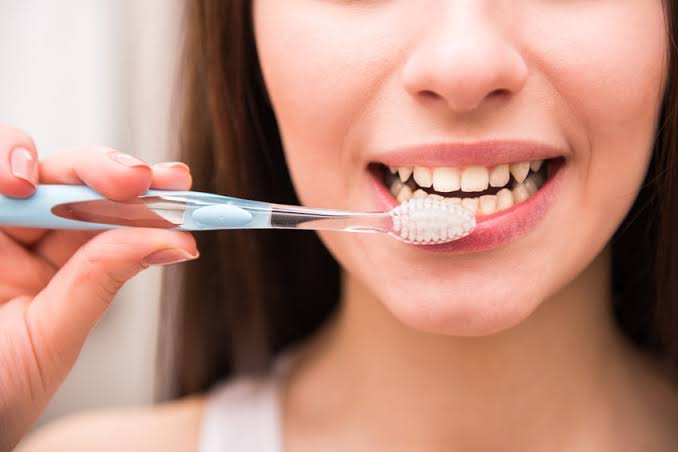
Good oral hygiene is about more than having a bright smile—it plays an essential role in your overall health. Healthy teeth and gums help you eat comfortably, speak clearly, and reduce the risk of oral diseases. Poor oral hygiene, on the other hand, can lead to cavities, gum disease, bad breath, and other complications that may affect your general well-being.
By following a few simple daily habits, you can protect your oral health and enjoy long-lasting benefits. This article shares practical oral hygiene tips for better health and explains how consistent care supports both your mouth and your body.
Why Oral Hygiene Is Important
Your mouth naturally contains bacteria, most of which are harmless when managed through proper oral care. Without regular brushing and flossing, plaque can build up on the teeth and along the gumline, increasing the risk of dental problems.
Good oral hygiene helps:
Prevent tooth decay
Reduce the risk of gum disease
Minimize bad breath
Protect tooth enamel
Support overall health
Maintain a confident smile
Healthy oral habits also contribute to better quality of life by making eating, speaking, and smiling more comfortable.
Brush Your Teeth Twice a Day
Brushing your teeth is the foundation of good oral hygiene.
For effective brushing:
Brush at least twice a day.
Use fluoride toothpaste.
Brush for two minutes each time.
Clean all tooth surfaces, including the gumline.
A soft-bristled toothbrush is generally recommended because it cleans effectively while being gentle on your teeth and gums.
Floss Every Day
Your toothbrush cannot clean between your teeth where plaque and food particles often collect.
Daily flossing helps:
Remove plaque from hard-to-reach areas
Prevent cavities between teeth
Reduce gum inflammation
Keep your breath fresh
If traditional floss is difficult to use, your dentist may recommend floss picks or water flossers.
Clean Your Tongue
The tongue can harbor bacteria that contribute to bad breath and affect oral hygiene.
Cleaning your tongue daily with a tongue scraper or toothbrush helps:
Remove bacteria
Improve breath freshness
Support overall oral cleanliness
Include tongue cleaning as part of your regular brushing routine.
Use Fluoride Toothpaste
Fluoride strengthens tooth enamel and helps protect against cavities.
Using fluoride toothpaste regularly can:
Strengthen enamel
Reduce the risk of tooth decay
Support enamel remineralization
Improve long-term oral health
Brush gently to avoid damaging your gums or enamel.
Replace Your Toothbrush Regularly
A worn toothbrush becomes less effective over time.
Replace your toothbrush:
Every three to four months
After recovering from an illness
When the bristles become frayed
Using a toothbrush in good condition helps ensure effective plaque removal.
Stay Hydrated
Drinking plenty of water benefits both your body and your oral health.
Water helps:
Wash away food particles
Reduce bacteria
Prevent dry mouth
Stimulate saliva production
Saliva plays an important role in protecting teeth by neutralizing acids and helping prevent cavities.
Eat a Balanced Diet
Healthy eating supports strong teeth and healthy gums.
Include foods rich in:
Calcium
Vitamin D
Vitamin C
Phosphorus
Protein
Good choices include:
Dairy products
Leafy green vegetables
Fresh fruits
Fish
Eggs
Nuts
Whole grains
A balanced diet provides the nutrients needed to maintain healthy oral tissues.
Limit Sugary Foods and Drinks
Frequent consumption of sugar increases the risk of cavities because oral bacteria feed on sugar and produce acids that attack tooth enamel.
Try to reduce:
Candy
Cakes
Soft drinks
Sweetened coffee
Sugary snacks
Energy drinks
When you do enjoy sugary treats, rinse your mouth with water afterward and avoid frequent snacking.
Be Careful with Acidic Foods
Acidic foods and beverages can gradually wear away tooth enamel.
Examples include:
Citrus fruits
Soft drinks
Sports drinks
Fruit juices
Vinegar-based foods
Consume acidic foods in moderation and wait about 30 minutes before brushing your teeth after eating them to help protect softened enamel.
Avoid Tobacco Products
Smoking and other tobacco products can seriously affect oral health.
Tobacco use increases the risk of:
Gum disease
Tooth discoloration
Persistent bad breath
Delayed healing
Oral cancer
Quitting tobacco supports healthier teeth, gums, and overall well-being.
Visit Your Dentist Regularly
Routine dental checkups are essential for preventing and detecting oral health problems.
Regular visits allow your dentist to:
Examine your teeth and gums
Detect cavities early
Remove plaque and tartar
Monitor oral health changes
Provide personalized oral hygiene advice
Many people benefit from dental checkups every six months, although your dentist may recommend a different schedule based on your individual needs.
Wear a Mouthguard During Sports
If you participate in contact sports or recreational activities, wearing a mouthguard helps protect your teeth from injury.
A properly fitted mouthguard can reduce the risk of:
Broken teeth
Chipped teeth
Jaw injuries
Soft tissue injuries
Protective equipment is an important part of maintaining long-term oral health.
Teach Good Oral Hygiene to Children
Healthy habits begin early.
Parents can encourage children to:
Brush twice daily
Floss once permanent teeth begin touching
Drink water instead of sugary beverages
Visit the dentist regularly
Eat nutritious foods
Positive routines established during childhood often continue into adulthood.
Maintain Healthy Daily Habits
Good oral hygiene is most effective when combined with a healthy lifestyle.
Helpful daily habits include:
Brushing consistently
Flossing every day
Drinking enough water
Eating a balanced diet
Limiting sugar
Getting enough sleep
Managing stress
Following your dentist’s recommendations
Consistency is the key to maintaining lifelong oral health.
AtBright Smile Dental Center, patients can access comprehensive dental care supported by modern technology and a patient-focused approach. The clinic offers dental implants, Invisalign, cosmetic dentistry, teeth whitening, veneers, preventive care, root canal treatment, crowns, bridges, and general dentistry. With personalized treatment options and a focus on comfort and quality, Bright Smile Dental Center helps patients maintain good oral health and achieve a confident, healthy smile.
Need Help?
Schedule your initial consultation today and start your journey towards a pain-free, healthier smile. Contact us now!
var elementorFrontendConfig = {"environmentMode":{"edit":false,"wpPreview":false,"isScriptDebug":false},"i18n":{"shareOnFacebook":"Share on Facebook","shareOnTwitter":"Share on Twitter","pinIt":"Pin it","download":"Download","downloadImage":"Download image","fullscreen":"Fullscreen","zoom":"Zoom","share":"Share","playVideo":"Play Video","previous":"Previous","next":"Next","close":"Close","a11yCarouselPrevSlideMessage":"Previous slide","a11yCarouselNextSlideMessage":"Next slide","a11yCarouselFirstSlideMessage":"This is the first slide","a11yCarouselLastSlideMessage":"This is the last slide","a11yCarouselPaginationBulletMessage":"Go to slide"},"is_rtl":false,"breakpoints":{"xs":0,"sm":480,"md":768,"lg":1025,"xl":1440,"xxl":1600},"responsive":{"breakpoints":{"mobile":{"label":"Mobile Portrait","value":767,"default_value":767,"direction":"max","is_enabled":true},"mobile_extra":{"label":"Mobile Landscape","value":880,"default_value":880,"direction":"max","is_enabled":false},"tablet":{"label":"Tablet Portrait","value":1024,"default_value":1024,"direction":"max","is_enabled":true},"tablet_extra":{"label":"Tablet Landscape","value":1200,"default_value":1200,"direction":"max","is_enabled":false},"laptop":{"label":"Laptop","value":1366,"default_value":1366,"direction":"max","is_enabled":false},"widescreen":{"label":"Widescreen","value":2400,"default_value":2400,"direction":"min","is_enabled":false}},"hasCustomBreakpoints":false},"version":"4.1.1","is_static":false,"experimentalFeatures":{"e_font_icon_svg":true,"additional_custom_breakpoints":true,"container":true,"theme_builder_v2":true,"hello-theme-header-footer":true,"nested-elements":true,"global_classes_should_enforce_capabilities":true,"e_variables":true,"e_opt_in_v4_page":true,"e_components":true,"e_interactions":true,"e_widget_creation":true,"import-export-customization":true,"e_pro_variables":true},"urls":{"assets":"https:\/\/brightsmileshj.com\/wp-content\/plugins\/elementor\/assets\/","ajaxurl":"https:\/\/brightsmileshj.com\/wp-admin\/admin-ajax.php","uploadUrl":"https:\/\/brightsmileshj.com\/wp-content\/uploads"},"nonces":{"floatingButtonsClickTracking":"5155408154","atomicFormsSendForm":"7a8a1835e9"},"swiperClass":"swiper","settings":{"page":[],"editorPreferences":[]},"kit":{"active_breakpoints":["viewport_mobile","viewport_tablet"],"global_image_lightbox":"yes","lightbox_enable_counter":"yes","lightbox_enable_fullscreen":"yes","lightbox_enable_zoom":"yes","lightbox_enable_share":"yes","lightbox_title_src":"title","lightbox_description_src":"description"},"post":{"id":2698,"title":"Oral%20Hygiene%20Tips%20for%20Better%20Health","excerpt":"","featuredImage":"https:\/\/brightsmileshj.com\/wp-content\/uploads\/2026\/11\/images-58.jpg"}};
//# sourceURL=elementor-frontend-js-before