How to Prevent Gum Recession and Protect Your Smile
A little more tooth showing near the gumline can be easy to dismiss, especially when there is no pain. But gum recession can expose sensitive root surfaces, change the look of your smile, and raise the risk of decay in areas that are harder to protect. Learning how to prevent gum recession starts with understanding that gums are delicate tissue: they need consistent cleaning, but they do not respond well to force.
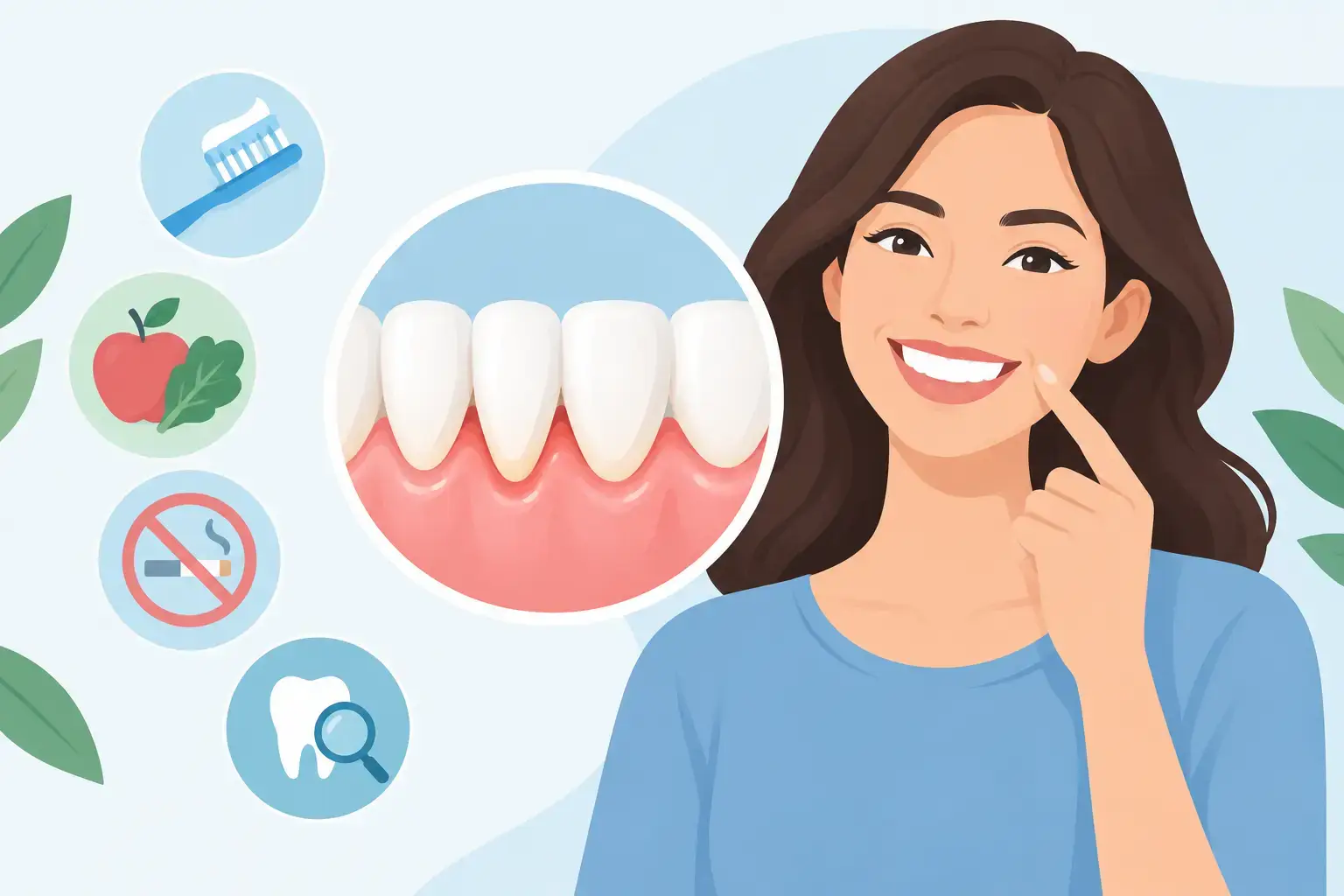
Gum recession means the gum tissue has moved away from the tooth, making the tooth appear longer. It may affect one tooth or several, and it can progress gradually. The encouraging news is that many contributing factors can be managed early with the right home care and professional support.
Why gums start to recede
Plaque buildup and gum disease are common causes of recession. When bacteria remain along and below the gumline, they can trigger inflammation. Over time, this may damage the supporting gum and bone around the teeth. Bleeding while brushing, persistent bad breath, tenderness, or swollen gums are signs that deserve a dental assessment rather than a change in toothpaste alone.
However, not every case is caused by hygiene problems. Brushing too hard, using a firm toothbrush, or scrubbing side to side can wear down gum tissue over time. Teeth grinding, an uneven bite, smoking or vaping, naturally thin gum tissue, and crowded or poorly positioned teeth can also play a role. Some people are simply more prone to recession because of the shape and thickness of their gums.
That is why prevention is not one-size-fits-all. A person with healthy gums who brushes aggressively needs a different solution from someone whose recession is related to periodontal disease or nighttime grinding.
How to prevent gum recession with gentler brushing
Use a soft-bristled or extra-soft toothbrush and choose a gentle technique. Place the bristles at a slight angle toward the gumline, then use small, controlled motions rather than long, forceful strokes. The goal is to remove plaque, not polish the teeth with pressure.
If your toothbrush bristles flare outward quickly, you may be brushing too hard. An electric toothbrush with a pressure sensor can be a useful option, particularly for people who tend to scrub without realizing it. It is not required, but it can make gentle brushing easier to maintain.
Brush twice daily for about two minutes with fluoride toothpaste. Whitening toothpastes can be helpful for surface stains, but highly abrasive formulas may not be the best choice if you already have exposed roots or tooth sensitivity. A dentist can recommend a toothpaste that balances whitening goals with protection for sensitive areas.
Clean between your teeth every day
A toothbrush cannot thoroughly clean the spaces between teeth or just beneath the contact points. Daily flossing, interdental brushes, or a water flosser helps disrupt plaque before it can irritate the gums.
The best tool depends on the spacing of your teeth, the condition of your gums, and your ability to use it consistently. Traditional floss works well for tight contacts. Small interdental brushes may be more effective around wider spaces, bridges, implants, or orthodontic appliances. A water flosser can be a practical addition for people with braces, though it should not always replace mechanical cleaning between teeth.
Be gentle here, too. Snaping floss down into the gums can cause injury. Ease it between the teeth, curve it around one tooth in a C shape, and move it up and down carefully before repeating on the neighboring tooth.
Do not ignore bleeding gums
Healthy gums generally should not bleed during regular brushing or flossing. Bleeding is often a sign of inflammation from plaque, even if it disappears temporarily. Some people stop flossing when they see blood, but that can allow the inflammation to continue.
Instead, clean gently and consistently, then arrange a dental visit if bleeding persists for more than a week or two. Professional cleaning removes hardened tartar that home tools cannot reach. If gum disease is present, deeper periodontal treatment may be needed to control the infection and help protect the tissue that remains.
Early care matters because gum recession does not usually grow back on its own. The priority is to identify the cause, stop further loss, and protect the teeth and gums from additional damage.
Protect your gums from grinding and bite pressure
Clenching and grinding can place heavy forces on teeth and their surrounding tissues. You may not notice it while sleeping, but morning jaw soreness, headaches, worn tooth edges, cracked teeth, or a partner hearing grinding noises can all be clues.
A custom night guard can cushion the teeth and reduce the damaging effects of nighttime grinding. It is designed around your bite, which is different from relying on a generic store-bought guard. If a bite imbalance, tooth movement, or crowding is contributing to pressure on specific teeth, your dentist may discuss restorative or orthodontic options to improve how the teeth meet.
Orthodontic treatment can support long-term gum health in selected cases by making teeth easier to clean and balancing bite forces. Still, tooth movement must be carefully planned when gums are thin or recession is already present. This is one reason an individualized examination is essential before beginning aligners or braces.
Make lifestyle choices that support gum health
Tobacco use is strongly associated with gum disease and can reduce the gums’ ability to heal. Smoking and vaping may also mask bleeding, making gum problems seem less obvious than they are. Reducing or stopping tobacco use benefits not only your gums, but your overall oral health and healing after dental treatment.
A balanced diet also supports healthy tissue. Frequent sugary snacks and sweet drinks feed harmful bacteria, while dehydration can reduce saliva flow and leave the mouth less protected. Water, fiber-rich foods, and regular meals are kinder to teeth and gums than continual snacking throughout the day.
Stress is another often-overlooked factor. It does not directly cause recession, but it can contribute to clenching, dry mouth, missed routines, and inflammation-related habits. If work or family demands are affecting your sleep or oral care routine, a simple plan you can follow consistently is more valuable than an overly complicated one.
Keep regular dental visits on your schedule
Professional examinations can detect subtle gum changes long before they become obvious in the mirror. Your dental team measures gum pockets, checks for bleeding and bone changes, evaluates brushing wear, and looks at how your bite is functioning. Dental X-rays may be recommended when they are needed to assess bone support beneath the gums.
The right recall schedule depends on your risk. Someone with stable, healthy gums may need routine preventive visits, while a patient with gum disease, diabetes, smoking history, implants, or previous recession may benefit from more frequent periodontal maintenance. These visits are preventive care, not just cleaning appointments.
At Bright Smile Medical Center, a comprehensive assessment can also help distinguish between recession caused by inflammation, brushing trauma, bite forces, or thin gum anatomy. That clarity allows treatment to focus on the real cause instead of asking you to guess which change will help.
When recession needs treatment
Prevention can stop or slow further recession, but existing exposed roots may still need attention. Fluoride treatments, desensitizing products, or tooth-colored bonding can protect sensitive root surfaces and improve appearance in minor cases. When recession is more advanced or the gum tissue is very thin, a gum graft may be recommended to cover the exposed area and reinforce the gumline.
Treatment decisions depend on the location of the recession, the amount of attached gum tissue, root sensitivity, esthetic concerns, bone support, and whether the cause has been controlled. A graft is not necessary for every recessed tooth, but delaying an assessment can make a manageable concern more complex.
If you have noticed teeth looking longer, increased sensitivity to cold, bleeding gums, or a notch near the gumline, schedule an examination soon. Calm, early care gives you the best chance to protect your natural teeth, preserve a balanced smile, and feel confident each time you brush.
Need Help?
Schedule your initial consultation today and start your journey towards a pain-free, healthier smile. Contact us now!
var elementorFrontendConfig = {"environmentMode":{"edit":false,"wpPreview":false,"isScriptDebug":false},"i18n":{"shareOnFacebook":"Share on Facebook","shareOnTwitter":"Share on Twitter","pinIt":"Pin it","download":"Download","downloadImage":"Download image","fullscreen":"Fullscreen","zoom":"Zoom","share":"Share","playVideo":"Play Video","previous":"Previous","next":"Next","close":"Close","a11yCarouselPrevSlideMessage":"Previous slide","a11yCarouselNextSlideMessage":"Next slide","a11yCarouselFirstSlideMessage":"This is the first slide","a11yCarouselLastSlideMessage":"This is the last slide","a11yCarouselPaginationBulletMessage":"Go to slide"},"is_rtl":false,"breakpoints":{"xs":0,"sm":480,"md":768,"lg":1025,"xl":1440,"xxl":1600},"responsive":{"breakpoints":{"mobile":{"label":"Mobile Portrait","value":767,"default_value":767,"direction":"max","is_enabled":true},"mobile_extra":{"label":"Mobile Landscape","value":880,"default_value":880,"direction":"max","is_enabled":false},"tablet":{"label":"Tablet Portrait","value":1024,"default_value":1024,"direction":"max","is_enabled":true},"tablet_extra":{"label":"Tablet Landscape","value":1200,"default_value":1200,"direction":"max","is_enabled":false},"laptop":{"label":"Laptop","value":1366,"default_value":1366,"direction":"max","is_enabled":false},"widescreen":{"label":"Widescreen","value":2400,"default_value":2400,"direction":"min","is_enabled":false}},"hasCustomBreakpoints":false},"version":"4.1.1","is_static":false,"experimentalFeatures":{"e_font_icon_svg":true,"additional_custom_breakpoints":true,"container":true,"theme_builder_v2":true,"hello-theme-header-footer":true,"nested-elements":true,"global_classes_should_enforce_capabilities":true,"e_variables":true,"e_opt_in_v4_page":true,"e_components":true,"e_interactions":true,"e_widget_creation":true,"import-export-customization":true,"e_pro_variables":true},"urls":{"assets":"https:\/\/brightsmileshj.com\/wp-content\/plugins\/elementor\/assets\/","ajaxurl":"https:\/\/brightsmileshj.com\/wp-admin\/admin-ajax.php","uploadUrl":"https:\/\/brightsmileshj.com\/wp-content\/uploads"},"nonces":{"floatingButtonsClickTracking":"d65bf14480","atomicFormsSendForm":"da60f3cb09"},"swiperClass":"swiper","settings":{"page":[],"editorPreferences":[]},"kit":{"active_breakpoints":["viewport_mobile","viewport_tablet"],"global_image_lightbox":"yes","lightbox_enable_counter":"yes","lightbox_enable_fullscreen":"yes","lightbox_enable_zoom":"yes","lightbox_enable_share":"yes","lightbox_title_src":"title","lightbox_description_src":"description"},"post":{"id":2707,"title":"How%20to%20Prevent%20Gum%20Recession%20and%20Protect%20Your%20Smile%20-%20Bright%20Smile%20Medical%20Center%20%7C%20Dental%20Clinic%20In%20Sharjah","excerpt":"Learn how to prevent gum recession with gentle brushing, daily cleaning, bite protection, and timely dental visits to keep your smile healthy in daily life.","featuredImage":"https:\/\/brightsmileshj.com\/wp-content\/uploads\/2026\/11\/how-to-prevent-gum-recession-and-protect-your-smil-featured-1024x683.webp"}};
//# sourceURL=elementor-frontend-js-before