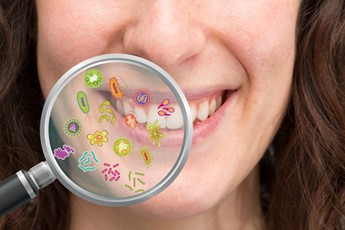
Your mouth is home to millions of bacteria, forming a complex community known as the oral microbiome. While the word “bacteria” often has a negative reputation, not all bacteria are harmful. In fact, many beneficial bacteria help maintain a healthy balance in your mouth and support overall oral health. Problems arise when harmful bacteria multiply and disrupt this balance, increasing the risk of tooth decay, gum disease, and bad breath.
Understanding how bacteria affect your mouth can help you develop healthy habits that protect your teeth, gums, and overall well-being.
What Are Oral Bacteria?
Oral bacteria are naturally occurring microorganisms that live on your teeth, gums, tongue, cheeks, and saliva. Hundreds of different bacterial species exist in the mouth, each playing a unique role.
Some bacteria help:
Maintain a balanced oral environment
Support digestion
Prevent harmful bacteria from overgrowing
Others can contribute to oral diseases if they are allowed to multiply unchecked.
The Role of the Oral Microbiome
The oral microbiome is the collection of bacteria and other microorganisms that naturally live in your mouth.
A healthy oral microbiome helps:
Protect the teeth and gums
Support the body’s natural defenses
Maintain fresh breath
Contribute to overall oral health
Good oral hygiene and healthy lifestyle habits help keep this microbial community balanced.
How Harmful Bacteria Develop
Harmful bacteria thrive when food particles—especially sugars and refined carbohydrates—remain on the teeth.
These bacteria feed on leftover food and produce acids that can damage tooth enamel.
Poor oral hygiene, frequent sugary snacks, dry mouth, and tobacco use can encourage harmful bacteria to grow.
Plaque Formation
One of the first ways bacteria affect your mouth is by forming dental plaque.
Plaque is a soft, sticky film that contains:
Bacteria
Food debris
Saliva
If plaque is not removed through brushing and flossing, it continues to build up and may harden into tartar, which requires professional dental cleaning.
Tooth Decay
Harmful bacteria convert sugars into acids that gradually dissolve tooth enamel.
This process can lead to:
Enamel erosion
Cavities
Tooth sensitivity
Dental infections
Regular brushing with fluoride toothpaste helps remove plaque and strengthen enamel against acid attacks.
Gum Disease
Bacteria also affect the gums by causing inflammation.
In the early stage, known as gingivitis, symptoms may include:
Red gums
Swollen gums
Bleeding during brushing or flossing
If left untreated, gingivitis can progress to periodontitis, a more serious condition that damages the tissues and bone supporting the teeth.
Maintaining good oral hygiene greatly reduces the risk of gum disease.
Bad Breath
Persistent bad breath, or halitosis, is often caused by bacteria.
As bacteria break down food particles, they release sulfur compounds that produce unpleasant odors.
Daily brushing, flossing, tongue cleaning, and staying hydrated can help reduce bacterial buildup and improve breath freshness.
Tooth Sensitivity
As bacteria contribute to enamel erosion and gum recession, the inner layers of the teeth may become exposed.
This can cause sensitivity to:
Hot foods and drinks
Cold beverages
Sweet foods
Acidic foods
Treating the underlying cause and maintaining good oral hygiene can help reduce discomfort.
Dry Mouth and Bacteria
Saliva plays a vital role in controlling bacterial growth.
It helps:
Wash away food particles
Neutralize acids
Protect tooth enamel
Maintain a healthy oral environment
When saliva production decreases, harmful bacteria can multiply more easily, increasing the risk of cavities and gum disease.
Drinking enough water and addressing the causes of dry mouth can help support saliva production.
The Link Between Oral and Overall Health
Your oral health is closely connected to your general health. Poor oral hygiene can increase inflammation in the mouth, and some studies suggest that gum disease may be associated with certain systemic health conditions. Maintaining a healthy mouth supports your overall well-being and reduces the risk of oral infections.
Regular dental checkups also allow early detection and management of oral health concerns.
How to Control Harmful Bacteria
Keeping harmful bacteria under control requires consistent daily oral care.
Healthy habits include:
Brushing twice a day with fluoride toothpaste
Flossing once daily
Cleaning your tongue
Drinking plenty of water
Limiting sugary foods and drinks
Eating a balanced diet
Avoiding tobacco products
Visiting your dentist regularly
These habits help maintain a healthy balance of bacteria in the mouth.
Foods That Support Oral Health
Certain foods promote healthier teeth and gums by supporting saliva production and providing essential nutrients.
Examples include:
Dairy products
Leafy green vegetables
Fresh fruits
Crunchy vegetables
Nuts
Whole grains
Lean proteins
A nutritious diet supports both oral and overall health.
The Importance of Regular Dental Visits
Routine dental checkups help remove plaque and tartar that cannot be eliminated by brushing alone.
Your dentist can:
Detect cavities early
Monitor gum health
Identify signs of oral disease
Provide professional cleaning
Offer personalized oral hygiene advice
Regular preventive care helps maintain a healthy oral environment.
Signs You Should See a Dentist
Consult your dentist if you experience:
Persistent bad breath
Bleeding gums
Tooth pain
Increased tooth sensitivity
Loose teeth
Swollen gums
Mouth sores that do not heal
Early diagnosis and treatment can prevent minor problems from becoming more serious.
AtBright Smile Dental Center, patients can access comprehensive dental care supported by modern technology and a patient-focused approach. The clinic offers dental implants, Invisalign, cosmetic dentistry, teeth whitening, veneers, preventive care, root canal treatment, crowns, bridges, and general dentistry. With personalized treatment options and a focus on comfort and quality, Bright Smile Dental Center helps patients maintain good oral health and achieve a confident, healthy smile.
Need Help?
Schedule your initial consultation today and start your journey towards a pain-free, healthier smile. Contact us now!
var elementorFrontendConfig = {"environmentMode":{"edit":false,"wpPreview":false,"isScriptDebug":false},"i18n":{"shareOnFacebook":"Share on Facebook","shareOnTwitter":"Share on Twitter","pinIt":"Pin it","download":"Download","downloadImage":"Download image","fullscreen":"Fullscreen","zoom":"Zoom","share":"Share","playVideo":"Play Video","previous":"Previous","next":"Next","close":"Close","a11yCarouselPrevSlideMessage":"Previous slide","a11yCarouselNextSlideMessage":"Next slide","a11yCarouselFirstSlideMessage":"This is the first slide","a11yCarouselLastSlideMessage":"This is the last slide","a11yCarouselPaginationBulletMessage":"Go to slide"},"is_rtl":false,"breakpoints":{"xs":0,"sm":480,"md":768,"lg":1025,"xl":1440,"xxl":1600},"responsive":{"breakpoints":{"mobile":{"label":"Mobile Portrait","value":767,"default_value":767,"direction":"max","is_enabled":true},"mobile_extra":{"label":"Mobile Landscape","value":880,"default_value":880,"direction":"max","is_enabled":false},"tablet":{"label":"Tablet Portrait","value":1024,"default_value":1024,"direction":"max","is_enabled":true},"tablet_extra":{"label":"Tablet Landscape","value":1200,"default_value":1200,"direction":"max","is_enabled":false},"laptop":{"label":"Laptop","value":1366,"default_value":1366,"direction":"max","is_enabled":false},"widescreen":{"label":"Widescreen","value":2400,"default_value":2400,"direction":"min","is_enabled":false}},"hasCustomBreakpoints":false},"version":"4.1.1","is_static":false,"experimentalFeatures":{"e_font_icon_svg":true,"additional_custom_breakpoints":true,"container":true,"theme_builder_v2":true,"hello-theme-header-footer":true,"nested-elements":true,"global_classes_should_enforce_capabilities":true,"e_variables":true,"e_opt_in_v4_page":true,"e_components":true,"e_interactions":true,"e_widget_creation":true,"import-export-customization":true,"e_pro_variables":true},"urls":{"assets":"https:\/\/brightsmileshj.com\/wp-content\/plugins\/elementor\/assets\/","ajaxurl":"https:\/\/brightsmileshj.com\/wp-admin\/admin-ajax.php","uploadUrl":"https:\/\/brightsmileshj.com\/wp-content\/uploads"},"nonces":{"floatingButtonsClickTracking":"5155408154","atomicFormsSendForm":"7a8a1835e9"},"swiperClass":"swiper","settings":{"page":[],"editorPreferences":[]},"kit":{"active_breakpoints":["viewport_mobile","viewport_tablet"],"global_image_lightbox":"yes","lightbox_enable_counter":"yes","lightbox_enable_fullscreen":"yes","lightbox_enable_zoom":"yes","lightbox_enable_share":"yes","lightbox_title_src":"title","lightbox_description_src":"description"},"post":{"id":2692,"title":"How%20Bacteria%20Affect%20Your%20Mouth","excerpt":"","featuredImage":"https:\/\/brightsmileshj.com\/wp-content\/uploads\/2026\/11\/Picture1.jpg"}};
//# sourceURL=elementor-frontend-js-before