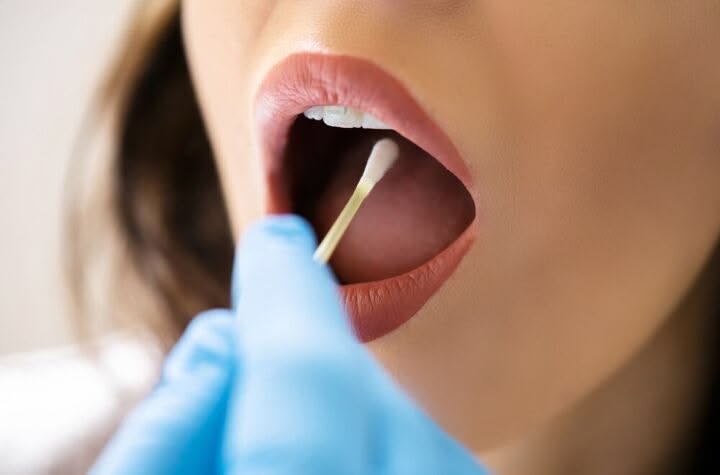
Saliva is often overlooked, but it plays a vital role in maintaining a healthy mouth. Produced by the salivary glands, this clear fluid does much more than keep your mouth moist. It protects your teeth, supports healthy gums, aids digestion, and helps prevent many common dental problems. Understanding the role of saliva in oral health can help you appreciate why maintaining good saliva production is essential for a healthy smile.
In this guide, we’ll explore the functions of saliva, how it protects your oral health, common causes of dry mouth, and practical tips to keep your mouth healthy.
What Is Saliva?
Saliva is a natural fluid produced by the salivary glands located around your mouth and throat. An average adult produces approximately 0.5 to 1.5 liters of saliva each day, although the amount varies depending on hydration, diet, medications, and overall health.
Saliva is made up primarily of water but also contains:
Enzymes
Minerals
Proteins
Electrolytes
Antibacterial compounds
Mucus
Together, these components help maintain a healthy oral environment.
Why Saliva Is Important
Many people think saliva simply keeps the mouth wet, but its functions are much broader.
Understanding the role of saliva in oral health begins with recognizing how it protects your teeth and gums every day.
Saliva helps to:
Wash away food particles
Neutralize harmful acids
Protect tooth enamel
Reduce bacterial growth
Aid digestion
Support speech
Keep the mouth comfortable
Without adequate saliva, the risk of dental problems increases significantly.
Protects Teeth from Cavities
One of saliva’s most important jobs is protecting your teeth against tooth decay.
After eating, bacteria in the mouth feed on sugars and produce acids that attack tooth enamel.
Saliva helps by:
Neutralizing these acids
Washing away leftover food
Reducing bacterial buildup
Delivering minerals that strengthen enamel
This natural protection lowers the risk of cavities and enamel damage.
Supports Enamel Remineralization
Tooth enamel constantly loses and gains minerals through a natural process.
Saliva contains important minerals such as:
Calcium
Phosphate
Fluoride (when available)
These minerals help repair early enamel damage through a process known as remineralization, making teeth stronger and more resistant to decay.
Keeps Gums Healthy
Healthy gums depend on adequate saliva production.
Saliva helps:
Remove bacteria along the gumline
Reduce plaque buildup
Keep gum tissues moist
Support natural healing
Reduced saliva may increase the risk of gingivitis and periodontal disease if oral hygiene is not maintained.
Helps Control Harmful Bacteria
Your mouth naturally contains many types of bacteria.
Saliva contains protective proteins and enzymes that help control harmful bacteria and maintain a healthy balance within the oral environment.
By limiting bacterial growth, saliva contributes to:
Fresher breath
Reduced plaque
Lower cavity risk
Healthier gums
Prevents Dry Mouth
Dry mouth, also known as xerostomia, occurs when the body does not produce enough saliva.
Common symptoms include:
Sticky or dry feeling in the mouth
Difficulty swallowing
Cracked lips
Sore throat
Bad breath
Increased tooth sensitivity
Persistent dry mouth should be evaluated by a dentist or healthcare professional.
Supports Digestion
Saliva begins the digestive process even before food reaches your stomach.
It helps by:
Moistening food
Forming food into an easy-to-swallow bolus
Beginning the breakdown of starches through digestive enzymes
Proper saliva production makes chewing and swallowing more comfortable and efficient.
Improves Speech and Comfort
Saliva keeps the mouth lubricated, allowing the tongue, lips, and cheeks to move smoothly during speech.
Adequate saliva helps:
Improve pronunciation
Reduce mouth irritation
Increase comfort while speaking
Prevent friction inside the mouth
A dry mouth may make speaking uncomfortable.
Common Causes of Reduced Saliva
Several factors can decrease saliva production, including:
Dehydration
Aging
Certain medications
Diabetes
Autoimmune disorders
Radiation therapy to the head and neck
Smoking
Stress and anxiety
Identifying the underlying cause is important for appropriate treatment.
How to Support Healthy Saliva Production
Simple daily habits can help maintain healthy saliva flow.
Stay Hydrated
Drink plenty of water throughout the day to support saliva production and prevent dehydration.
Practice Good Oral Hygiene
Brush twice daily, floss every day, and clean your tongue to reduce bacteria and support overall oral health.
Limit Sugary Foods and Drinks
Reducing sugar intake lowers acid production and helps saliva protect your teeth more effectively.
Avoid Tobacco Products
Smoking and tobacco use may contribute to dry mouth and increase the risk of gum disease and oral cancer.
Visit Your Dentist Regularly
Routine dental checkups allow early detection of dry mouth and other oral health concerns before complications develop.
When Should You See a Dentist?
You should seek professional advice if you experience:
Persistent dry mouth
Difficulty swallowing
Frequent cavities
Bad breath that doesn’t improve
Mouth sores
Burning sensation in the mouth
Changes in saliva consistency
Early diagnosis can help identify underlying medical conditions and prevent long-term dental problems.
AtBright Smile Dental Center, patients can access comprehensive dental care supported by modern technology and a patient-focused approach. The clinic offers dental implants, Invisalign, cosmetic dentistry, teeth whitening, veneers, preventive care, root canal treatment, crowns, bridges, and general dentistry. With personalized treatment options and a focus on comfort and quality, Bright Smile Dental Center helps patients maintain good oral health and achieve a confident, healthy smile.
Need Help?
Schedule your initial consultation today and start your journey towards a pain-free, healthier smile. Contact us now!
var elementorFrontendConfig = {"environmentMode":{"edit":false,"wpPreview":false,"isScriptDebug":false},"i18n":{"shareOnFacebook":"Share on Facebook","shareOnTwitter":"Share on Twitter","pinIt":"Pin it","download":"Download","downloadImage":"Download image","fullscreen":"Fullscreen","zoom":"Zoom","share":"Share","playVideo":"Play Video","previous":"Previous","next":"Next","close":"Close","a11yCarouselPrevSlideMessage":"Previous slide","a11yCarouselNextSlideMessage":"Next slide","a11yCarouselFirstSlideMessage":"This is the first slide","a11yCarouselLastSlideMessage":"This is the last slide","a11yCarouselPaginationBulletMessage":"Go to slide"},"is_rtl":false,"breakpoints":{"xs":0,"sm":480,"md":768,"lg":1025,"xl":1440,"xxl":1600},"responsive":{"breakpoints":{"mobile":{"label":"Mobile Portrait","value":767,"default_value":767,"direction":"max","is_enabled":true},"mobile_extra":{"label":"Mobile Landscape","value":880,"default_value":880,"direction":"max","is_enabled":false},"tablet":{"label":"Tablet Portrait","value":1024,"default_value":1024,"direction":"max","is_enabled":true},"tablet_extra":{"label":"Tablet Landscape","value":1200,"default_value":1200,"direction":"max","is_enabled":false},"laptop":{"label":"Laptop","value":1366,"default_value":1366,"direction":"max","is_enabled":false},"widescreen":{"label":"Widescreen","value":2400,"default_value":2400,"direction":"min","is_enabled":false}},"hasCustomBreakpoints":false},"version":"4.1.1","is_static":false,"experimentalFeatures":{"e_font_icon_svg":true,"additional_custom_breakpoints":true,"container":true,"theme_builder_v2":true,"hello-theme-header-footer":true,"nested-elements":true,"global_classes_should_enforce_capabilities":true,"e_variables":true,"e_opt_in_v4_page":true,"e_components":true,"e_interactions":true,"e_widget_creation":true,"import-export-customization":true,"e_pro_variables":true},"urls":{"assets":"https:\/\/brightsmileshj.com\/wp-content\/plugins\/elementor\/assets\/","ajaxurl":"https:\/\/brightsmileshj.com\/wp-admin\/admin-ajax.php","uploadUrl":"https:\/\/brightsmileshj.com\/wp-content\/uploads"},"nonces":{"floatingButtonsClickTracking":"2a3a18f4d2","atomicFormsSendForm":"57c3a823c4"},"swiperClass":"swiper","settings":{"page":[],"editorPreferences":[]},"kit":{"active_breakpoints":["viewport_mobile","viewport_tablet"],"global_image_lightbox":"yes","lightbox_enable_counter":"yes","lightbox_enable_fullscreen":"yes","lightbox_enable_zoom":"yes","lightbox_enable_share":"yes","lightbox_title_src":"title","lightbox_description_src":"description"},"post":{"id":2640,"title":"The%20Role%20of%20Saliva%20in%20Oral%20Health","excerpt":"","featuredImage":"https:\/\/brightsmileshj.com\/wp-content\/uploads\/2026\/11\/Dry-Mouth-at-Night_-The-Reason-Might-Surprise-You-1.jpg"}};
//# sourceURL=elementor-frontend-js-before