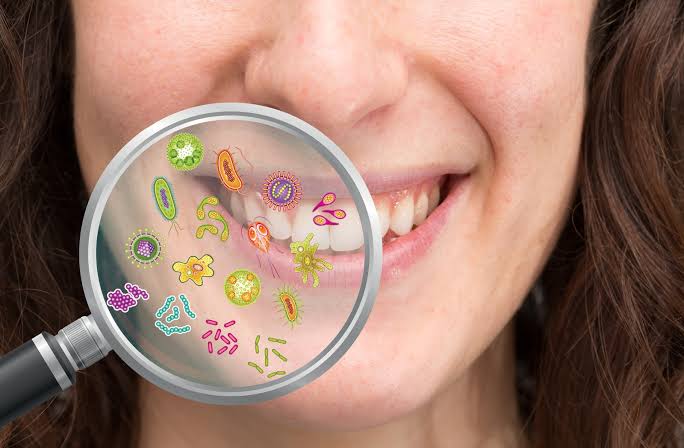
Maintaining good oral health is essential for healthy teeth, strong gums, and overall well-being. However, several everyday habits, dietary choices, and underlying health conditions can increase the risk of dental problems. Tooth decay, gum disease, enamel erosion, and oral infections often develop gradually, making early prevention and regular dental care especially important. Understanding Common Oral Health Risks helps individuals recognize potential problems, make informed decisions, and develop habits that protect their smiles throughout life.
Poor Oral Hygiene and Plaque Buildup
One of the most common risks to oral health is inadequate daily cleaning. Plaque is a sticky film of bacteria that forms on tooth surfaces throughout the day. When it is not removed regularly, bacteria can produce acids that weaken tooth enamel and increase the risk of cavities.
Plaque can also accumulate along the gumline, causing irritation, redness, swelling, and bleeding. If it hardens into tartar, a dental professional may need to remove it through professional cleaning.
Brushing twice daily with fluoride toothpaste and cleaning between teeth every day can help control plaque buildup. Using a soft-bristled toothbrush and gentle brushing movements protects the gums while cleaning the teeth effectively. Consistent oral hygiene is one of the most important ways to reduce common dental risks.
Tooth Decay and Cavities
Tooth decay develops when acids gradually damage the enamel and underlying tooth structure. Oral bacteria produce these acids by breaking down sugars from food and drinks. Frequent consumption of sweets, sugary beverages, and sticky snacks can increase the risk of cavities.
Early tooth decay may not cause noticeable symptoms. As the damage progresses, a person may experience sensitivity, discomfort, visible discoloration, or toothache.
Reducing frequent sugar exposure, brushing with fluoride toothpaste, drinking water, and attending routine dental examinations can help prevent or identify tooth decay early. Dentists may also recommend preventive treatments, such as fluoride applications or dental sealants, depending on individual needs.
If tooth pain or sensitivity persists, seek professional assessment rather than relying solely on home remedies.
Gum Disease and Inflammation
Gum disease is another common oral health concern. It often begins with gingivitis, an early stage characterized by swollen, red, or bleeding gums. Plaque buildup along the gumline is a major contributing factor.
Without appropriate care, gum disease may progress to periodontitis, which damages the tissues and bone supporting the teeth. Advanced disease can lead to gum recession, loose teeth, and eventual tooth loss.
Daily brushing, interdental cleaning, and professional dental examinations help reduce the risk of gum disease. Smoking and tobacco use increase periodontal risk and can interfere with healing.
Bleeding gums should not be ignored, particularly when symptoms continue despite careful oral hygiene. Early diagnosis and appropriate treatment can help protect the tissues that support your teeth.
Enamel Erosion and Tooth Sensitivity
Tooth enamel is the hard outer layer that protects the inner parts of a tooth. Frequent exposure to acids from acidic drinks, certain foods, stomach reflux, or repeated vomiting can gradually wear down this protective layer.
Enamel erosion may cause sensitivity to hot, cold, sweet, or acidic foods. Teeth may also appear more yellow as the underlying dentin becomes more visible. Unlike some early mineral loss, lost enamel cannot naturally grow back.
To reduce this risk, limit frequent consumption of acidic beverages, rinse your mouth with water after acid exposure, and wait approximately 30–60 minutes before brushing. Use a soft-bristled toothbrush and avoid aggressive brushing.
Persistent sensitivity should be assessed by a dentist because it can also result from cavities, gum recession, cracked teeth, or other conditions.
The Impact of Sugary Foods and Drinks
Diet plays a significant role in oral health. Frequent exposure to sugary foods and drinks gives oral bacteria more opportunities to produce enamel-damaging acids. Sweetened beverages, confectionery, cakes, biscuits, and sugary snacks can contribute to tooth decay when consumed frequently.
The frequency of sugar consumption matters because each exposure can trigger an acid attack on tooth enamel. Repeatedly sipping sweetened drinks throughout the day may therefore increase dental risk.
Choose balanced meals, reduce frequent snacking on sugary products, and drink plain water regularly. Fresh fruits, vegetables, and other nutritious foods can form part of a healthy eating pattern. These choices support general health while helping reduce avoidable risks to teeth.
Dry Mouth and Reduced Saliva Production
Saliva helps protect the mouth by washing away food particles, neutralizing acids, and supporting the natural remineralization of tooth enamel. When saliva production decreases, the risk of cavities, bad breath, and oral discomfort may increase.
Dry mouth can be associated with dehydration, certain medications, medical conditions, and other factors. People may notice a sticky feeling in the mouth, difficulty swallowing dry foods, or persistent thirst.
Drinking water regularly may help relieve mild dryness. Sugar-free gum can stimulate saliva production for some people when chewing is appropriate. However, persistent dry mouth should be discussed with a healthcare professional or dentist to identify the cause and determine suitable management.
Smoking and Tobacco Use
Smoking and other forms of tobacco use can significantly affect oral health. Tobacco increases the risk of gum disease, contributes to tooth staining and bad breath, and may interfere with healing after dental treatment.
Tobacco use is also a major risk factor for oral cancer. Warning signs may include a persistent mouth ulcer, a red or white patch, unexplained bleeding, or a lump that does not resolve.
Avoiding tobacco is an important step toward protecting oral health. Any unusual mouth changes that persist for more than two weeks should be assessed promptly by a dental or medical professional.
Skipping Dental Check-Ups
Avoiding regular dental appointments can allow minor problems to progress without detection. Some cavities, gum conditions, and other oral health concerns develop with few noticeable symptoms during their early stages.
Dental examinations help identify these issues and provide an opportunity for professional cleaning and personalized preventive advice. The frequency of visits depends on individual oral health needs, medical history, and risk factors.
Scheduling routine appointments and seeking care when symptoms appear can help prevent avoidable complications. Professional guidance is particularly important for individuals with recurring cavities, gum disease, dry mouth, or other ongoing dental concerns.
Protecting Your Oral Health Through Prevention
Reducing oral health risks begins with simple, consistent habits. Brush twice daily with fluoride toothpaste, clean between your teeth every day, drink water regularly, and limit frequent consumption of sugary and acidic products. Avoid tobacco and follow any specific cleaning instructions for braces, dentures, retainers, or clear aligners.
A balanced diet and regular dental check-ups further support preventive care. Parents should also encourage children to develop good oral hygiene habits early, with age-appropriate toothpaste and adult supervision when necessary.
Recognizing changes in your mouth and seeking professional advice promptly can help prevent many problems from becoming more serious.
AtBright Smile Dental Center, patients can access comprehensive dental care supported by modern technology and a patient-focused approach. The clinic offers dental implants, Invisalign, cosmetic dentistry, teeth whitening, veneers, preventive care, root canal treatment, crowns, bridges, and general dentistry. With personalized treatment options and a focus on comfort and quality, Bright Smile Dental Center helps patients maintain good oral health and achieve a confident, healthy smile.
Need Help?
Schedule your initial consultation today and start your journey towards a pain-free, healthier smile. Contact us now!
(function() {
// Global page view and session tracking for UAEL Modal Popup feature
try {
// Session tracking: increment if this is a new session
// Check if any popup on this page uses current page tracking
var hasCurrentPageTracking = false;
var currentPagePopups = [];
// Check all modal popups on this page for current page tracking
if (typeof jQuery !== 'undefined') {
jQuery('.uael-modal-parent-wrapper').each(function() {
var scope = jQuery(this).data('page-views-scope');
var enabled = jQuery(this).data('page-views-enabled');
var popupId = jQuery(this).attr('id').replace('-overlay', '');
if (enabled === 'yes' && scope === 'current') {
hasCurrentPageTracking = true;
currentPagePopups.push(popupId);
}
});
}
// Global tracking: ALWAYS increment if ANY popup on the site uses global tracking
// Current page tracking: increment per-page counters
if (hasCurrentPageTracking && currentPagePopups.length > 0) {
var currentUrl = window.location.href;
var urlKey = 'uael_page_views_' + btoa(currentUrl).replace(/[^a-zA-Z0-9]/g, '').substring(0, 50);
var currentPageViews = parseInt(localStorage.getItem(urlKey) || '0');
currentPageViews++;
localStorage.setItem(urlKey, currentPageViews.toString());
// Store URL mapping for each popup
for (var i = 0; i < currentPagePopups.length; i++) {
var popupUrlKey = 'uael_popup_' + currentPagePopups[i] + '_url_key';
localStorage.setItem(popupUrlKey, urlKey);
}
}
} catch (e) {
// Silently fail if localStorage is not available
}
})();
var uael_particles_script = {"uael_particles_url":"https://brightsmileshj.com/wp-content/plugins/ultimate-elementor/assets/min-js/uael-particles.min.js","particles_url":"https://brightsmileshj.com/wp-content/plugins/ultimate-elementor/assets/lib/particles/particles.min.js","snowflakes_image":"https://brightsmileshj.com/wp-content/plugins/ultimate-elementor/assets/img/snowflake.svg","gift":"https://brightsmileshj.com/wp-content/plugins/ultimate-elementor/assets/img/gift.png","tree":"https://brightsmileshj.com/wp-content/plugins/ultimate-elementor/assets/img/tree.png","skull":"https://brightsmileshj.com/wp-content/plugins/ultimate-elementor/assets/img/skull.png","ghost":"https://brightsmileshj.com/wp-content/plugins/ultimate-elementor/assets/img/ghost.png","moon":"https://brightsmileshj.com/wp-content/plugins/ultimate-elementor/assets/img/moon.png","bat":"https://brightsmileshj.com/wp-content/plugins/ultimate-elementor/assets/img/bat.png","pumpkin":"https://brightsmileshj.com/wp-content/plugins/ultimate-elementor/assets/img/pumpkin.png"};
var EAELImageMaskingConfig = {"svg_dir_url":"https://brightsmileshj.com/wp-content/plugins/essential-addons-for-elementor-lite/assets/front-end/img/image-masking/svg-shapes/"};
//# sourceURL=elementor-frontend-js-extra
var elementorFrontendConfig = {"environmentMode":{"edit":false,"wpPreview":false,"isScriptDebug":false},"i18n":{"shareOnFacebook":"Share on Facebook","shareOnTwitter":"Share on Twitter","pinIt":"Pin it","download":"Download","downloadImage":"Download image","fullscreen":"Fullscreen","zoom":"Zoom","share":"Share","playVideo":"Play Video","previous":"Previous","next":"Next","close":"Close","a11yCarouselPrevSlideMessage":"Previous slide","a11yCarouselNextSlideMessage":"Next slide","a11yCarouselFirstSlideMessage":"This is the first slide","a11yCarouselLastSlideMessage":"This is the last slide","a11yCarouselPaginationBulletMessage":"Go to slide"},"is_rtl":false,"breakpoints":{"xs":0,"sm":480,"md":768,"lg":1025,"xl":1440,"xxl":1600},"responsive":{"breakpoints":{"mobile":{"label":"Mobile Portrait","value":767,"default_value":767,"direction":"max","is_enabled":true},"mobile_extra":{"label":"Mobile Landscape","value":880,"default_value":880,"direction":"max","is_enabled":false},"tablet":{"label":"Tablet Portrait","value":1024,"default_value":1024,"direction":"max","is_enabled":true},"tablet_extra":{"label":"Tablet Landscape","value":1200,"default_value":1200,"direction":"max","is_enabled":false},"laptop":{"label":"Laptop","value":1366,"default_value":1366,"direction":"max","is_enabled":false},"widescreen":{"label":"Widescreen","value":2400,"default_value":2400,"direction":"min","is_enabled":false}},"hasCustomBreakpoints":false},"version":"4.1.1","is_static":false,"experimentalFeatures":{"e_font_icon_svg":true,"additional_custom_breakpoints":true,"container":true,"theme_builder_v2":true,"hello-theme-header-footer":true,"nested-elements":true,"global_classes_should_enforce_capabilities":true,"e_variables":true,"e_opt_in_v4_page":true,"e_components":true,"e_interactions":true,"e_widget_creation":true,"import-export-customization":true,"e_pro_variables":true},"urls":{"assets":"https:\/\/brightsmileshj.com\/wp-content\/plugins\/elementor\/assets\/","ajaxurl":"https:\/\/brightsmileshj.com\/wp-admin\/admin-ajax.php","uploadUrl":"https:\/\/brightsmileshj.com\/wp-content\/uploads"},"nonces":{"floatingButtonsClickTracking":"56f9af15d9","atomicFormsSendForm":"ec6e5060eb"},"swiperClass":"swiper","settings":{"page":[],"editorPreferences":[]},"kit":{"active_breakpoints":["viewport_mobile","viewport_tablet"],"global_image_lightbox":"yes","lightbox_enable_counter":"yes","lightbox_enable_fullscreen":"yes","lightbox_enable_zoom":"yes","lightbox_enable_share":"yes","lightbox_title_src":"title","lightbox_description_src":"description"},"post":{"id":2545,"title":"Understanding%20Common%20Oral%20Health%20Risks","excerpt":"","featuredImage":"https:\/\/brightsmileshj.com\/wp-content\/uploads\/2026\/10\/images-2026-10-22T130620.153.jpg"}};
//# sourceURL=elementor-frontend-js-before