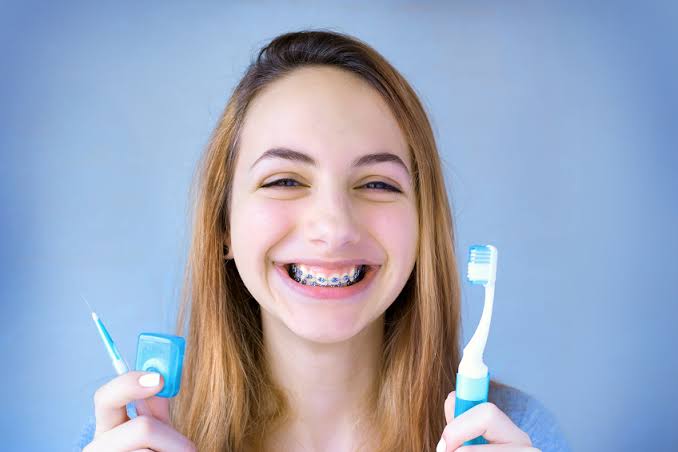
Teenage years are a time of rapid growth, increased independence, and changing lifestyles. Along with these changes comes the responsibility of maintaining good oral health. Developing healthy dental habits during adolescence helps prevent cavities, gum disease, bad breath, and other oral health issues that can continue into adulthood. Following the right Oral Hygiene Tips for Teenagers can ensure a healthy smile and boost confidence.
Why Oral Hygiene Is Important for Teenagers
Teenagers often face unique oral health challenges due to hormonal changes, diet, orthodontic treatments, and busy schedules. Hormonal fluctuations can make gums more sensitive, while sugary snacks and soft drinks increase the risk of tooth decay. Many teenagers also wear braces or aligners, which require extra care to keep teeth clean.
Good oral hygiene not only protects teeth and gums but also supports overall health. A healthy mouth reduces the risk of infections and contributes to better self-esteem by maintaining fresh breath and a bright smile.
Brush Your Teeth Twice a Day
One of the most effective Oral Hygiene Tips for Teenagers is brushing your teeth at least twice a day using fluoride toothpaste. Brush for two minutes each time, making sure to clean every surface of the teeth, including the front, back, and chewing surfaces.
Choose a soft-bristled toothbrush and replace it every three to four months or sooner if the bristles become worn. Electric toothbrushes can also help improve cleaning efficiency.
Don’t Skip Flossing
Brushing alone cannot remove plaque and food particles trapped between teeth. Flossing once a day helps clean areas your toothbrush cannot reach.
Daily flossing helps:
Prevent cavities between teeth
Reduce plaque buildup
Protect gums from inflammation
Maintain fresh breath
For teenagers with braces, orthodontic flossers or water flossers can make cleaning easier.
Limit Sugary Foods and Drinks
Teenagers often enjoy sweets, chocolates, soft drinks, and energy drinks. Excess sugar feeds bacteria that produce acids, leading to enamel erosion and cavities.
To protect your teeth:
Drink more water instead of sugary beverages.
Limit candies and sticky snacks.
Choose healthier snacks like fruits, vegetables, yogurt, or cheese.
Rinse your mouth with water after consuming sugary foods.
Healthy eating habits benefit both oral and overall health.
Stay Hydrated
Water is one of the simplest ways to maintain good oral hygiene. Drinking plenty of water helps wash away food particles and bacteria while stimulating saliva production.
Saliva naturally protects teeth by neutralizing acids and reducing plaque buildup. Carrying a reusable water bottle throughout the day encourages regular hydration.
Wear a Mouthguard During Sports
Teenagers involved in football, basketball, cricket, hockey, martial arts, or other contact sports should wear a properly fitted mouthguard.
A mouthguard helps prevent:
Broken teeth
Lip injuries
Jaw injuries
Dental emergencies
Protecting your teeth during sports can prevent expensive and painful dental treatments later.
Take Extra Care with Braces
Braces make cleaning teeth more challenging because food particles can become trapped around brackets and wires.
If you wear braces:
Brush after every meal when possible.
Use interdental brushes to clean around brackets.
Floss daily using orthodontic floss threaders.
Avoid sticky, hard, and chewy foods that may damage braces.
Following your orthodontist’s instructions will help achieve the best treatment results.
Avoid Tobacco and Vaping
Smoking, chewing tobacco, and vaping can seriously affect oral health. These habits may cause stained teeth, bad breath, gum disease, delayed healing, and increase the risk of oral cancer.
Teenage years are the ideal time to build healthy habits by avoiding tobacco products altogether.
Visit Your Dentist Regularly
Regular dental check-ups are essential even if your teeth feel healthy. Dentists can detect early signs of cavities, gum disease, or orthodontic issues before they become serious.
Professional cleanings remove hardened plaque that cannot be removed through brushing alone. Most teenagers should visit their dentist every six months unless advised otherwise.
Clean Your Tongue
Many bacteria responsible for bad breath live on the surface of the tongue. Gently cleaning your tongue with a tongue scraper or toothbrush every day helps reduce bacteria and improves breath freshness.
This simple habit is often overlooked but can make a noticeable difference.
Build Healthy Daily Habits
Consistency is the key to maintaining excellent oral health.
A simple daily routine includes:
Brush twice daily.
Floss once every day.
Drink plenty of water.
Eat a balanced diet.
Limit sugary snacks.
Replace your toothbrush regularly.
Attend routine dental appointments.
Following these habits consistently helps prevent dental problems and supports lifelong oral health.
Signs You Shouldn’t Ignore
Teenagers should seek dental care if they notice:
Bleeding gums
Persistent bad breath
Tooth sensitivity
Tooth pain
Loose teeth
Swollen gums
White or dark spots on teeth
Early treatment prevents minor issues from becoming major dental problems.
AtBright Smile Dental Center, patients can access comprehensive dental care supported by modern technology and a patient-focused approach. The clinic offers dental implants, Invisalign, cosmetic dentistry, teeth whitening, veneers, preventive care, root canal treatment, crowns, bridges, and general dentistry. With personalized treatment options and a focus on comfort and quality, Bright Smile Dental Center helps patients maintain good oral health and achieve a confident, healthy smile.
Need Help?
Schedule your initial consultation today and start your journey towards a pain-free, healthier smile. Contact us now!
(function() {
// Global page view and session tracking for UAEL Modal Popup feature
try {
// Session tracking: increment if this is a new session
// Check if any popup on this page uses current page tracking
var hasCurrentPageTracking = false;
var currentPagePopups = [];
// Check all modal popups on this page for current page tracking
if (typeof jQuery !== 'undefined') {
jQuery('.uael-modal-parent-wrapper').each(function() {
var scope = jQuery(this).data('page-views-scope');
var enabled = jQuery(this).data('page-views-enabled');
var popupId = jQuery(this).attr('id').replace('-overlay', '');
if (enabled === 'yes' && scope === 'current') {
hasCurrentPageTracking = true;
currentPagePopups.push(popupId);
}
});
}
// Global tracking: ALWAYS increment if ANY popup on the site uses global tracking
// Current page tracking: increment per-page counters
if (hasCurrentPageTracking && currentPagePopups.length > 0) {
var currentUrl = window.location.href;
var urlKey = 'uael_page_views_' + btoa(currentUrl).replace(/[^a-zA-Z0-9]/g, '').substring(0, 50);
var currentPageViews = parseInt(localStorage.getItem(urlKey) || '0');
currentPageViews++;
localStorage.setItem(urlKey, currentPageViews.toString());
// Store URL mapping for each popup
for (var i = 0; i < currentPagePopups.length; i++) {
var popupUrlKey = 'uael_popup_' + currentPagePopups[i] + '_url_key';
localStorage.setItem(popupUrlKey, urlKey);
}
}
} catch (e) {
// Silently fail if localStorage is not available
}
})();
var uael_particles_script = {"uael_particles_url":"https://brightsmileshj.com/wp-content/plugins/ultimate-elementor/assets/min-js/uael-particles.min.js","particles_url":"https://brightsmileshj.com/wp-content/plugins/ultimate-elementor/assets/lib/particles/particles.min.js","snowflakes_image":"https://brightsmileshj.com/wp-content/plugins/ultimate-elementor/assets/img/snowflake.svg","gift":"https://brightsmileshj.com/wp-content/plugins/ultimate-elementor/assets/img/gift.png","tree":"https://brightsmileshj.com/wp-content/plugins/ultimate-elementor/assets/img/tree.png","skull":"https://brightsmileshj.com/wp-content/plugins/ultimate-elementor/assets/img/skull.png","ghost":"https://brightsmileshj.com/wp-content/plugins/ultimate-elementor/assets/img/ghost.png","moon":"https://brightsmileshj.com/wp-content/plugins/ultimate-elementor/assets/img/moon.png","bat":"https://brightsmileshj.com/wp-content/plugins/ultimate-elementor/assets/img/bat.png","pumpkin":"https://brightsmileshj.com/wp-content/plugins/ultimate-elementor/assets/img/pumpkin.png"};
var EAELImageMaskingConfig = {"svg_dir_url":"https://brightsmileshj.com/wp-content/plugins/essential-addons-for-elementor-lite/assets/front-end/img/image-masking/svg-shapes/"};
//# sourceURL=elementor-frontend-js-extra
var elementorFrontendConfig = {"environmentMode":{"edit":false,"wpPreview":false,"isScriptDebug":false},"i18n":{"shareOnFacebook":"Share on Facebook","shareOnTwitter":"Share on Twitter","pinIt":"Pin it","download":"Download","downloadImage":"Download image","fullscreen":"Fullscreen","zoom":"Zoom","share":"Share","playVideo":"Play Video","previous":"Previous","next":"Next","close":"Close","a11yCarouselPrevSlideMessage":"Previous slide","a11yCarouselNextSlideMessage":"Next slide","a11yCarouselFirstSlideMessage":"This is the first slide","a11yCarouselLastSlideMessage":"This is the last slide","a11yCarouselPaginationBulletMessage":"Go to slide"},"is_rtl":false,"breakpoints":{"xs":0,"sm":480,"md":768,"lg":1025,"xl":1440,"xxl":1600},"responsive":{"breakpoints":{"mobile":{"label":"Mobile Portrait","value":767,"default_value":767,"direction":"max","is_enabled":true},"mobile_extra":{"label":"Mobile Landscape","value":880,"default_value":880,"direction":"max","is_enabled":false},"tablet":{"label":"Tablet Portrait","value":1024,"default_value":1024,"direction":"max","is_enabled":true},"tablet_extra":{"label":"Tablet Landscape","value":1200,"default_value":1200,"direction":"max","is_enabled":false},"laptop":{"label":"Laptop","value":1366,"default_value":1366,"direction":"max","is_enabled":false},"widescreen":{"label":"Widescreen","value":2400,"default_value":2400,"direction":"min","is_enabled":false}},"hasCustomBreakpoints":false},"version":"4.1.1","is_static":false,"experimentalFeatures":{"e_font_icon_svg":true,"additional_custom_breakpoints":true,"container":true,"theme_builder_v2":true,"hello-theme-header-footer":true,"nested-elements":true,"global_classes_should_enforce_capabilities":true,"e_variables":true,"e_opt_in_v4_page":true,"e_components":true,"e_interactions":true,"e_widget_creation":true,"import-export-customization":true,"e_pro_variables":true},"urls":{"assets":"https:\/\/brightsmileshj.com\/wp-content\/plugins\/elementor\/assets\/","ajaxurl":"https:\/\/brightsmileshj.com\/wp-admin\/admin-ajax.php","uploadUrl":"https:\/\/brightsmileshj.com\/wp-content\/uploads"},"nonces":{"floatingButtonsClickTracking":"57ed7a0569","atomicFormsSendForm":"95ef412108"},"swiperClass":"swiper","settings":{"page":[],"editorPreferences":[]},"kit":{"active_breakpoints":["viewport_mobile","viewport_tablet"],"global_image_lightbox":"yes","lightbox_enable_counter":"yes","lightbox_enable_fullscreen":"yes","lightbox_enable_zoom":"yes","lightbox_enable_share":"yes","lightbox_title_src":"title","lightbox_description_src":"description"},"post":{"id":2448,"title":"Oral%20Hygiene%20Tips%20for%20Teenagers","excerpt":"","featuredImage":"https:\/\/brightsmileshj.com\/wp-content\/uploads\/2026\/10\/images-2026-10-02T155431.361.jpg"}};
//# sourceURL=elementor-frontend-js-before