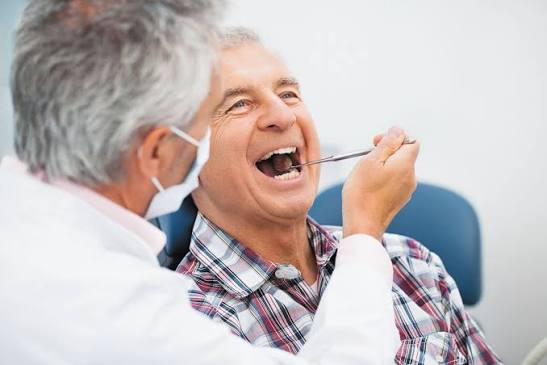
As people age, maintaining good oral health becomes an essential part of overall wellness. Healthy teeth and gums make it easier to eat nutritious foods, speak clearly, and enjoy everyday activities with confidence. However, aging can increase the likelihood of certain dental concerns due to natural changes in the body, medical conditions, and long-term medication use. Understanding the common Oral Health Challenges in Older Adults can help seniors take preventive steps and seek timely dental care to maintain a healthy smile.
Why Oral Health Is Important for Seniors
Oral health has a direct impact on overall quality of life. Dental problems can make chewing difficult, affect speech, and reduce self-confidence. In addition, infections in the mouth may influence general health, particularly for individuals managing chronic conditions such as diabetes or heart disease. Practicing good oral hygiene and visiting the dentist regularly are key to preserving both oral and overall health throughout the later years of life.
Dry Mouth and Reduced Saliva
A common concern among older adults is dry mouth, also known as xerostomia. While aging itself does not usually reduce saliva production, many prescription medications and certain health conditions can. Saliva is important because it helps wash away food particles, neutralize acids, and protect teeth from decay.
To relieve dry mouth:
Drink water regularly throughout the day.
Limit caffeinated and alcoholic beverages.
Chew sugar-free gum to encourage saliva flow.
Ask your dentist about saliva substitutes if symptoms persist.
Managing dry mouth can lower the risk of cavities and improve daily comfort.
Gum Disease
Gum disease is one of the most common Oral Health Challenges in Older Adults. Plaque that remains on the teeth can irritate the gums, leading to inflammation and infection. If left untreated, advanced gum disease may damage the tissues and bone that support the teeth, potentially resulting in tooth loss.
Warning signs include:
Swollen or tender gums
Bleeding while brushing or flossing
Persistent bad breath
Gum recession
Loose teeth
Consistent brushing, flossing, and professional cleanings are effective ways to protect gum health.
Tooth Decay
Many people assume cavities are only a concern during childhood, but tooth decay can develop at any age. Older adults are especially vulnerable to root cavities because receding gums expose softer root surfaces. Dry mouth and frequent snacking can further increase the risk.
Using fluoride toothpaste, reducing sugary foods, and maintaining routine dental visits can help keep teeth strong and healthy.
Tooth Wear and Sensitivity
Years of chewing, grinding, and normal use can gradually wear down tooth enamel. As enamel becomes thinner, teeth may become more sensitive to hot, cold, or sweet foods. Cracked or worn teeth are also more likely to occur over time.
Dentists may recommend restorative treatments such as fillings, crowns, or protective night guards depending on the cause of the wear.
Tooth Loss
Although modern dentistry has reduced the number of people losing teeth as they age, missing teeth remain a concern for many seniors. Tooth loss can affect speech, nutrition, facial appearance, and confidence.
Fortunately, several treatment options can restore function and appearance, including:
Dental implants
Fixed dental bridges
Partial dentures
Full dentures
Your dentist can recommend the most suitable solution based on your oral health and lifestyle.
Caring for Dentures
Many older adults rely on dentures to replace missing teeth. Proper maintenance is essential to keep dentures comfortable and functional.
Helpful denture care practices include:
Cleaning dentures every day with a suitable cleanser.
Removing them before sleeping.
Rinsing them after meals.
Scheduling regular dental appointments to check their fit.
Well-maintained dentures contribute to better comfort, chewing ability, and oral health.
Increased Risk of Oral Cancer
The likelihood of developing oral cancer increases with age, making routine dental examinations especially important. Early detection greatly improves treatment outcomes.
Signs that should never be ignored include:
Mouth sores that do not heal
White or red patches inside the mouth
Difficulty swallowing
Persistent pain or numbness
Unusual lumps or thickened tissue
Regular oral cancer screenings performed during dental check-ups can help identify problems at an early stage.
Nutrition Supports Oral Health
A balanced diet plays an important role in maintaining healthy teeth and gums. Older adults should include foods rich in calcium, vitamin D, phosphorus, and other essential nutrients to strengthen teeth and support bone health.
Good choices include dairy products, leafy vegetables, lean proteins, fish, whole grains, fruits, and plenty of water. Limiting sugary snacks and acidic drinks can also reduce the risk of tooth decay.
Daily Habits for a Healthy Smile
Preventing Oral Health Challenges in Older Adults starts with simple daily routines:
Brush your teeth twice a day using fluoride toothpaste.
Clean between your teeth daily with floss or interdental brushes.
Stay hydrated throughout the day.
Clean dentures thoroughly if you wear them.
Avoid tobacco products.
Eat a nutritious, balanced diet.
Visit your dentist regularly for preventive care.
These consistent habits help maintain healthy teeth, gums, and overall oral function.
AtBright Smile Dental Center, patients can access comprehensive dental care supported by modern technology and a patient-focused approach. The clinic offers dental implants, Invisalign, cosmetic dentistry, teeth whitening, veneers, preventive care, root canal treatment, crowns, bridges, and general dentistry. With personalized treatment options and a focus on comfort and quality, Bright Smile Dental Center helps patients maintain good oral health and achieve a confident, healthy smile.
Need Help?
Schedule your initial consultation today and start your journey towards a pain-free, healthier smile. Contact us now!
(function() {
// Global page view and session tracking for UAEL Modal Popup feature
try {
// Session tracking: increment if this is a new session
// Check if any popup on this page uses current page tracking
var hasCurrentPageTracking = false;
var currentPagePopups = [];
// Check all modal popups on this page for current page tracking
if (typeof jQuery !== 'undefined') {
jQuery('.uael-modal-parent-wrapper').each(function() {
var scope = jQuery(this).data('page-views-scope');
var enabled = jQuery(this).data('page-views-enabled');
var popupId = jQuery(this).attr('id').replace('-overlay', '');
if (enabled === 'yes' && scope === 'current') {
hasCurrentPageTracking = true;
currentPagePopups.push(popupId);
}
});
}
// Global tracking: ALWAYS increment if ANY popup on the site uses global tracking
// Current page tracking: increment per-page counters
if (hasCurrentPageTracking && currentPagePopups.length > 0) {
var currentUrl = window.location.href;
var urlKey = 'uael_page_views_' + btoa(currentUrl).replace(/[^a-zA-Z0-9]/g, '').substring(0, 50);
var currentPageViews = parseInt(localStorage.getItem(urlKey) || '0');
currentPageViews++;
localStorage.setItem(urlKey, currentPageViews.toString());
// Store URL mapping for each popup
for (var i = 0; i < currentPagePopups.length; i++) {
var popupUrlKey = 'uael_popup_' + currentPagePopups[i] + '_url_key';
localStorage.setItem(popupUrlKey, urlKey);
}
}
} catch (e) {
// Silently fail if localStorage is not available
}
})();
var uael_particles_script = {"uael_particles_url":"https://brightsmileshj.com/wp-content/plugins/ultimate-elementor/assets/min-js/uael-particles.min.js","particles_url":"https://brightsmileshj.com/wp-content/plugins/ultimate-elementor/assets/lib/particles/particles.min.js","snowflakes_image":"https://brightsmileshj.com/wp-content/plugins/ultimate-elementor/assets/img/snowflake.svg","gift":"https://brightsmileshj.com/wp-content/plugins/ultimate-elementor/assets/img/gift.png","tree":"https://brightsmileshj.com/wp-content/plugins/ultimate-elementor/assets/img/tree.png","skull":"https://brightsmileshj.com/wp-content/plugins/ultimate-elementor/assets/img/skull.png","ghost":"https://brightsmileshj.com/wp-content/plugins/ultimate-elementor/assets/img/ghost.png","moon":"https://brightsmileshj.com/wp-content/plugins/ultimate-elementor/assets/img/moon.png","bat":"https://brightsmileshj.com/wp-content/plugins/ultimate-elementor/assets/img/bat.png","pumpkin":"https://brightsmileshj.com/wp-content/plugins/ultimate-elementor/assets/img/pumpkin.png"};
var EAELImageMaskingConfig = {"svg_dir_url":"https://brightsmileshj.com/wp-content/plugins/essential-addons-for-elementor-lite/assets/front-end/img/image-masking/svg-shapes/"};
//# sourceURL=elementor-frontend-js-extra
var elementorFrontendConfig = {"environmentMode":{"edit":false,"wpPreview":false,"isScriptDebug":false},"i18n":{"shareOnFacebook":"Share on Facebook","shareOnTwitter":"Share on Twitter","pinIt":"Pin it","download":"Download","downloadImage":"Download image","fullscreen":"Fullscreen","zoom":"Zoom","share":"Share","playVideo":"Play Video","previous":"Previous","next":"Next","close":"Close","a11yCarouselPrevSlideMessage":"Previous slide","a11yCarouselNextSlideMessage":"Next slide","a11yCarouselFirstSlideMessage":"This is the first slide","a11yCarouselLastSlideMessage":"This is the last slide","a11yCarouselPaginationBulletMessage":"Go to slide"},"is_rtl":false,"breakpoints":{"xs":0,"sm":480,"md":768,"lg":1025,"xl":1440,"xxl":1600},"responsive":{"breakpoints":{"mobile":{"label":"Mobile Portrait","value":767,"default_value":767,"direction":"max","is_enabled":true},"mobile_extra":{"label":"Mobile Landscape","value":880,"default_value":880,"direction":"max","is_enabled":false},"tablet":{"label":"Tablet Portrait","value":1024,"default_value":1024,"direction":"max","is_enabled":true},"tablet_extra":{"label":"Tablet Landscape","value":1200,"default_value":1200,"direction":"max","is_enabled":false},"laptop":{"label":"Laptop","value":1366,"default_value":1366,"direction":"max","is_enabled":false},"widescreen":{"label":"Widescreen","value":2400,"default_value":2400,"direction":"min","is_enabled":false}},"hasCustomBreakpoints":false},"version":"4.1.1","is_static":false,"experimentalFeatures":{"e_font_icon_svg":true,"additional_custom_breakpoints":true,"container":true,"theme_builder_v2":true,"hello-theme-header-footer":true,"nested-elements":true,"global_classes_should_enforce_capabilities":true,"e_variables":true,"e_opt_in_v4_page":true,"e_components":true,"e_interactions":true,"e_widget_creation":true,"import-export-customization":true,"e_pro_variables":true},"urls":{"assets":"https:\/\/brightsmileshj.com\/wp-content\/plugins\/elementor\/assets\/","ajaxurl":"https:\/\/brightsmileshj.com\/wp-admin\/admin-ajax.php","uploadUrl":"https:\/\/brightsmileshj.com\/wp-content\/uploads"},"nonces":{"floatingButtonsClickTracking":"57ed7a0569","atomicFormsSendForm":"95ef412108"},"swiperClass":"swiper","settings":{"page":[],"editorPreferences":[]},"kit":{"active_breakpoints":["viewport_mobile","viewport_tablet"],"global_image_lightbox":"yes","lightbox_enable_counter":"yes","lightbox_enable_fullscreen":"yes","lightbox_enable_zoom":"yes","lightbox_enable_share":"yes","lightbox_title_src":"title","lightbox_description_src":"description"},"post":{"id":2454,"title":"Oral%20Health%20Challenges%20in%20Older%20Adults","excerpt":"","featuredImage":"https:\/\/brightsmileshj.com\/wp-content\/uploads\/2026\/10\/images-2026-10-02T160021.873.jpg"}};
//# sourceURL=elementor-frontend-js-before