Good oral health is essential for more than just a beautiful smile. Healthy teeth and gums support eating, speaking, and overall well-being, while poor oral hygiene can increase the risk of cavities, gum disease, and other dental problems. By understanding the Facts About Dental Health Everyone Should Know, you can build healthy habits that protect your smile for years to come.
Why Dental Health Matters
Your mouth is the gateway to your body, making oral health an important part of your overall health. Maintaining healthy teeth and gums can help prevent common dental issues, reduce the need for complex treatments, and improve your confidence.
The good news is that most dental problems are preventable with proper oral hygiene, a balanced diet, and regular dental checkups.
1. Daily Oral Care Is the Foundation of Healthy Teeth
Consistent oral hygiene is the first step toward maintaining strong teeth and healthy gums.
Dentists recommend:
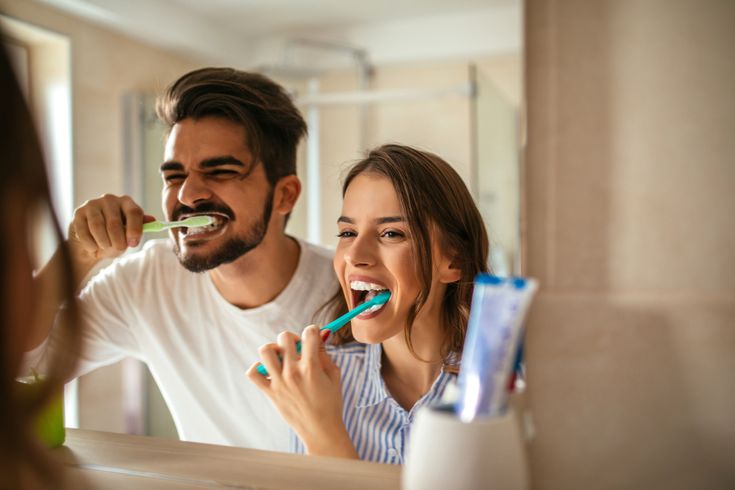
Brushing your teeth twice a day with fluoride toothpaste.
Using a soft-bristled toothbrush.
Brushing for at least two minutes.
Cleaning all tooth surfaces, including the front, back, and chewing surfaces.
Replacing your toothbrush every three to four months also helps ensure effective cleaning.
2. Brushing Alone Is Not Enough
Even the best toothbrush cannot completely clean between your teeth.
Plaque and food particles often remain in these tight spaces, increasing the risk of cavities and gum disease. Flossing or using interdental brushes once a day helps remove debris from areas that brushing cannot reach.
Adding interdental cleaning to your daily routine significantly improves oral hygiene.
3. Sugary Foods Increase the Risk of Tooth Decay
One of the most important Facts About Dental Health Everyone Should Know is the relationship between sugar and cavities.
When you eat sugary foods or drink sweet beverages, bacteria in your mouth produce acids that gradually weaken tooth enamel.
To lower your risk of tooth decay:
Limit sugary snacks and drinks.
Avoid frequent snacking throughout the day.
Choose healthier alternatives like fruits, vegetables, cheese, and yogurt.
Drink water after meals whenever possible.
4. Acidic Foods and Drinks Can Damage Enamel
It’s not only sugar that affects your teeth. Acidic beverages and foods can gradually erode tooth enamel, making teeth more sensitive and vulnerable to decay.
Common acidic items include:
Soft drinks
Energy drinks
Citrus fruits
Sports drinks
Vinegar-based foods
Rinsing your mouth with water after consuming acidic foods and avoiding prolonged sipping can help minimize enamel erosion.
5. Healthy Gums Are Essential for a Healthy Smile
Strong teeth depend on healthy gums for support.
Signs of unhealthy gums may include:
Redness
Swelling
Tenderness
Bleeding during brushing or flossing
Persistent bad breath
These symptoms should not be ignored, as they may indicate gum disease. Maintaining excellent oral hygiene and scheduling regular dental visits can help keep your gums healthy.
6. Dental Problems Don’t Always Cause Pain
Many people assume that if their teeth don’t hurt, they don’t have dental problems. However, this is not always true.
Conditions such as:
Early cavities
Gum disease
Cracked teeth
Enamel erosion
can develop without noticeable symptoms.
Routine dental examinations allow these problems to be detected before they become more serious.
7. Fluoride Helps Protect Your Teeth
Fluoride is a naturally occurring mineral that strengthens enamel and helps prevent tooth decay.
Using fluoride toothpaste daily is one of the easiest ways to protect your teeth from acid attacks caused by bacteria.
Your dentist may also recommend professional fluoride treatments if you are at higher risk for cavities.
8. Children Need Dental Care From an Early Age
Good oral health begins in infancy.
Parents should:
Clean a baby’s gums before teeth erupt.
Start brushing as soon as the first tooth appears.
Use age-appropriate fluoride toothpaste.
Supervise brushing until children can brush effectively on their own.
Early dental visits help monitor oral development and establish healthy dental habits that can last a lifetime.
9. Lifestyle Choices Affect Your Oral Health
Daily lifestyle habits have a significant impact on the health of your teeth and gums.
Healthy habits include:
Eating a balanced diet.
Drinking plenty of water.
Avoiding tobacco products.
Limiting sugary and acidic beverages.
Wearing a mouthguard during contact sports.
Maintaining consistent oral hygiene.
Small lifestyle changes can make a big difference in preventing dental problems.
10. Tooth Sensitivity Should Not Be Ignored
Tooth sensitivity can occur for several reasons, including:
Enamel erosion
Gum recession
Tooth decay
Worn fillings
Cracked teeth
Although sensitivity toothpaste may provide relief, ongoing discomfort should be evaluated by a dentist to determine the underlying cause.
11. Regular Dental Visits Help Prevent Serious Problems
Professional dental care complements your daily oral hygiene routine.
Regular dental checkups can help identify:
Tooth decay
Gum disease
Oral infections
Enamel wear
Bite problems
Early signs of other oral conditions
Professional cleanings also remove hardened plaque (tartar) that cannot be removed by brushing alone.
Your dentist will recommend a checkup schedule based on your individual oral health needs.
Tips for Maintaining Excellent Oral Health
Keeping your smile healthy doesn’t have to be complicated. Follow these simple habits every day:
Brush twice daily with fluoride toothpaste.
Floss once a day.
Drink plenty of water.
Eat a balanced, tooth-friendly diet.
Limit sugary snacks and acidic drinks.
Avoid tobacco products.
Replace your toothbrush regularly.
Visit your dentist for routine examinations and professional cleanings.
AtBright Smile Dental Center, patients can access comprehensive dental care supported by modern technology and a patient-focused approach. The clinic offers dental implants, Invisalign, cosmetic dentistry, teeth whitening, veneers, preventive care, root canal treatment, crowns, bridges, and general dentistry. With personalized treatment options and a focus on comfort and quality, Bright Smile Dental Center helps patients maintain good oral health and achieve a confident, healthy smile.
Need Help?
Schedule your initial consultation today and start your journey towards a pain-free, healthier smile. Contact us now!
(function() {
// Global page view and session tracking for UAEL Modal Popup feature
try {
// Session tracking: increment if this is a new session
// Check if any popup on this page uses current page tracking
var hasCurrentPageTracking = false;
var currentPagePopups = [];
// Check all modal popups on this page for current page tracking
if (typeof jQuery !== 'undefined') {
jQuery('.uael-modal-parent-wrapper').each(function() {
var scope = jQuery(this).data('page-views-scope');
var enabled = jQuery(this).data('page-views-enabled');
var popupId = jQuery(this).attr('id').replace('-overlay', '');
if (enabled === 'yes' && scope === 'current') {
hasCurrentPageTracking = true;
currentPagePopups.push(popupId);
}
});
}
// Global tracking: ALWAYS increment if ANY popup on the site uses global tracking
// Current page tracking: increment per-page counters
if (hasCurrentPageTracking && currentPagePopups.length > 0) {
var currentUrl = window.location.href;
var urlKey = 'uael_page_views_' + btoa(currentUrl).replace(/[^a-zA-Z0-9]/g, '').substring(0, 50);
var currentPageViews = parseInt(localStorage.getItem(urlKey) || '0');
currentPageViews++;
localStorage.setItem(urlKey, currentPageViews.toString());
// Store URL mapping for each popup
for (var i = 0; i < currentPagePopups.length; i++) {
var popupUrlKey = 'uael_popup_' + currentPagePopups[i] + '_url_key';
localStorage.setItem(popupUrlKey, urlKey);
}
}
} catch (e) {
// Silently fail if localStorage is not available
}
})();
var uael_particles_script = {"uael_particles_url":"https://brightsmileshj.com/wp-content/plugins/ultimate-elementor/assets/min-js/uael-particles.min.js","particles_url":"https://brightsmileshj.com/wp-content/plugins/ultimate-elementor/assets/lib/particles/particles.min.js","snowflakes_image":"https://brightsmileshj.com/wp-content/plugins/ultimate-elementor/assets/img/snowflake.svg","gift":"https://brightsmileshj.com/wp-content/plugins/ultimate-elementor/assets/img/gift.png","tree":"https://brightsmileshj.com/wp-content/plugins/ultimate-elementor/assets/img/tree.png","skull":"https://brightsmileshj.com/wp-content/plugins/ultimate-elementor/assets/img/skull.png","ghost":"https://brightsmileshj.com/wp-content/plugins/ultimate-elementor/assets/img/ghost.png","moon":"https://brightsmileshj.com/wp-content/plugins/ultimate-elementor/assets/img/moon.png","bat":"https://brightsmileshj.com/wp-content/plugins/ultimate-elementor/assets/img/bat.png","pumpkin":"https://brightsmileshj.com/wp-content/plugins/ultimate-elementor/assets/img/pumpkin.png"};
var EAELImageMaskingConfig = {"svg_dir_url":"https://brightsmileshj.com/wp-content/plugins/essential-addons-for-elementor-lite/assets/front-end/img/image-masking/svg-shapes/"};
//# sourceURL=elementor-frontend-js-extra
var elementorFrontendConfig = {"environmentMode":{"edit":false,"wpPreview":false,"isScriptDebug":false},"i18n":{"shareOnFacebook":"Share on Facebook","shareOnTwitter":"Share on Twitter","pinIt":"Pin it","download":"Download","downloadImage":"Download image","fullscreen":"Fullscreen","zoom":"Zoom","share":"Share","playVideo":"Play Video","previous":"Previous","next":"Next","close":"Close","a11yCarouselPrevSlideMessage":"Previous slide","a11yCarouselNextSlideMessage":"Next slide","a11yCarouselFirstSlideMessage":"This is the first slide","a11yCarouselLastSlideMessage":"This is the last slide","a11yCarouselPaginationBulletMessage":"Go to slide"},"is_rtl":false,"breakpoints":{"xs":0,"sm":480,"md":768,"lg":1025,"xl":1440,"xxl":1600},"responsive":{"breakpoints":{"mobile":{"label":"Mobile Portrait","value":767,"default_value":767,"direction":"max","is_enabled":true},"mobile_extra":{"label":"Mobile Landscape","value":880,"default_value":880,"direction":"max","is_enabled":false},"tablet":{"label":"Tablet Portrait","value":1024,"default_value":1024,"direction":"max","is_enabled":true},"tablet_extra":{"label":"Tablet Landscape","value":1200,"default_value":1200,"direction":"max","is_enabled":false},"laptop":{"label":"Laptop","value":1366,"default_value":1366,"direction":"max","is_enabled":false},"widescreen":{"label":"Widescreen","value":2400,"default_value":2400,"direction":"min","is_enabled":false}},"hasCustomBreakpoints":false},"version":"4.1.1","is_static":false,"experimentalFeatures":{"e_font_icon_svg":true,"additional_custom_breakpoints":true,"container":true,"theme_builder_v2":true,"hello-theme-header-footer":true,"nested-elements":true,"global_classes_should_enforce_capabilities":true,"e_variables":true,"e_opt_in_v4_page":true,"e_components":true,"e_interactions":true,"e_widget_creation":true,"import-export-customization":true,"e_pro_variables":true},"urls":{"assets":"https:\/\/brightsmileshj.com\/wp-content\/plugins\/elementor\/assets\/","ajaxurl":"https:\/\/brightsmileshj.com\/wp-admin\/admin-ajax.php","uploadUrl":"https:\/\/brightsmileshj.com\/wp-content\/uploads"},"nonces":{"floatingButtonsClickTracking":"328455145d","atomicFormsSendForm":"ed04e91816"},"swiperClass":"swiper","settings":{"page":[],"editorPreferences":[]},"kit":{"active_breakpoints":["viewport_mobile","viewport_tablet"],"global_image_lightbox":"yes","lightbox_enable_counter":"yes","lightbox_enable_fullscreen":"yes","lightbox_enable_zoom":"yes","lightbox_enable_share":"yes","lightbox_title_src":"title","lightbox_description_src":"description"},"post":{"id":2409,"title":"Facts%20About%20Dental%20Health%20Everyone%20Should%20Know","excerpt":"","featuredImage":"https:\/\/brightsmileshj.com\/wp-content\/uploads\/2026\/09\/\u00bfCuantas-veces-al-dia-debemos-cepillarnos-los-dientes_-Lo-que-dicen-los-expertos.jpg"}};
//# sourceURL=elementor-frontend-js-before